Change of use planning across London

Change of use planning.
Changing how a building is used, such as a shop to flats, a house to an HMO or an office to a clinic, may need planning permission, prior approval or nothing at all. It depends on the use classes involved. We work out your route and prepare the application.
✓ Shops & offices✓ HMOs✓ Flat conversions✓ Commercial units
Possible without full planning if the building has been in Class E use for 2 years and meets the conditions.
Find out more →Change of use, in short
- What it is
- Permission to use land or a building for a different purpose, from one use class to another.
- Do you need it?
- Not within the same use class, and some changes are permitted development. Most others need planning permission.
- How long
- Councils aim to decide minor applications within 8 weeks. Class MA prior approval has 56 days.
- Council fee
- £610 for a change of use, or £610 per new home for fewer than 10 homes (England, from 1 April 2026).
Sheet 01 — Common changesEngland
Do you need planning permission for a change of use?
These are the changes we’re asked about most. Conditions apply, and Article 4 directions or planning conditions can remove permitted development rights, so we always check the address.
Both uses are in Class E, so the change isn’t development. Check for planning conditions first.
Possible without full planning if the building has been in Class E use for 2 years and meets the conditions.
*Unless an Article 4 direction applies. Many London boroughs require planning permission for new HMOs.
Changing back to a single house is permitted development. An LDC can confirm it.
Large HMOs are “sui generis”, so a planning application is always needed.
Splitting a house into flats needs planning permission, with space and design standards to meet.
These are “sui generis” uses, so a planning application is needed.
Allowed for up to 500 m² of floorspace under Class I.
Sheet 02 — Use classesThe Use Classes Order
What are the planning use classes?
The Town and Country Planning (Use Classes) Order 1987 sorts uses into classes. Moving between classes is usually “development” that needs permission, while changes within a class usually aren’t.
Sheet 03 — How we helpStart to finish
How we handle your change of use.
Sheet 04 — TimescaleFrom submission to decision
How long does a change of use application take?
Councils aim to decide minor applications, including most changes of use, within 8 weeks of validation. Prior approval under Class MA has a 56-day deadline.
Sheet 05 — CostCouncil fees · England · from 1 April 2026
How much does a change of use application cost?
The council fee depends on the type of change. Our survey, drawings and application are a separate fixed quote.
National planning fees in England from 1 April 2026. We confirm the exact fee for your project.
Sheet 06 — Our work● Updates automatically
Recent conversions.
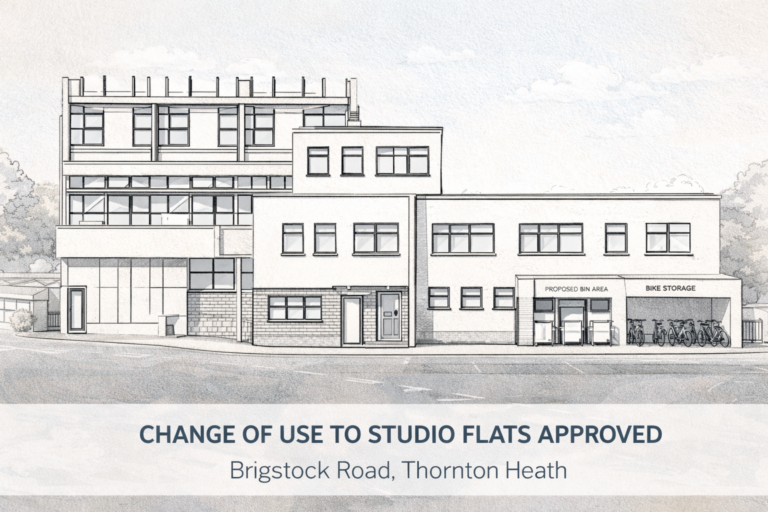
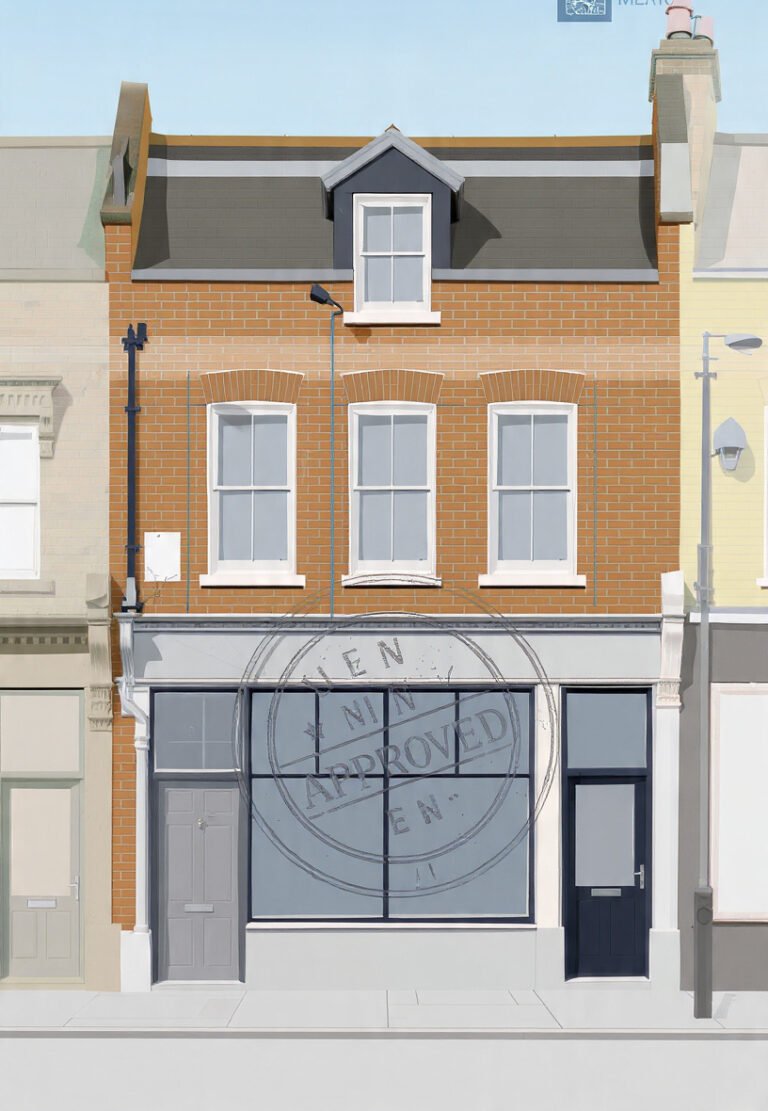
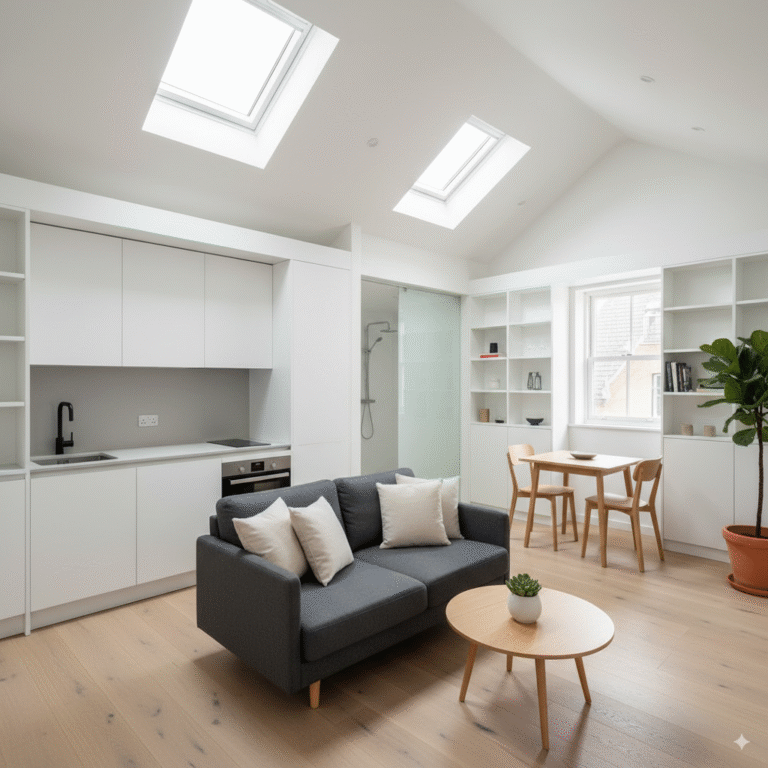
Sheet 07 — FAQs
Change of use questions.
Can’t see your question? Call us on +44 7594 188857 or email info@armdb.co.uk.
What is change of use in planning?
It’s when land or a building starts being used for a different purpose, such as a shop becoming a home. If the new use is in a different use class, it usually counts as development and needs planning permission, unless permitted development rights allow it.
Do I need planning permission to change the use of a building?
It depends on the use classes. Changes within the same class, such as a shop to a café (both Class E), don’t need permission. Some changes between classes are permitted development. Most others need planning permission.
How long does a change of use application take?
Councils aim to decide minor applications, including most changes of use, within 8 weeks of validation. Class MA prior approval for commercial to residential must be decided within 56 days.
How much does a change of use application cost?
In England the council fee is £610 for a change of use, or £610 for each new home where fewer than 10 homes are created, from 1 April 2026. Drawings and application work are charged separately.
Do I need planning permission for an HMO in London?
A small HMO for 3 to 6 people is normally permitted development, but many London boroughs have Article 4 directions that remove this right, so you’d need planning permission. Large HMOs for 7 or more people always need planning permission.
Can I turn a shop into a flat without planning permission?
Often, yes, under Class MA permitted development, if the building has been in Class E use for 2 years and meets the conditions. You still need prior approval from the council, and Building Regulations approval.
What is a sui generis use?
A use that doesn’t fall within any use class, such as a pub, takeaway, large HMO or petrol station. Changing to or from a sui generis use normally needs planning permission.
Do I need Building Regulations approval for a change of use?
Usually, yes. A “material change of use”, such as creating flats, brings in Building Regulations requirements for fire safety, sound insulation and energy efficiency.
Sheet 08 — CoverageLondon boroughs
Change of use across London.
Every London borough has its own local plan, guidance and validation list. We work across Greater London from our office in Wimbledon, SW19, and also in Manchester, Birmingham and Liverpool.
LondonCroydonKingston upon ThamesMertonWimbledonSuttonBromleyGreenwichLewishamSouthwarkLambethWandsworthRichmondHackneyBarking & DagenhamBexleyManchesterBirminghamLiverpool
Sheet 09 — RelatedOther services
Related services.
Last updated: November 2026 · Fees and timescales are for England
Sheet 10 — Start here
Find the right route.
Tell us the address, how it’s used now and what you’d like to do. We’ll confirm the route and send a free, no-obligation quote.
- Call+44 7594 188857
- Emailinfo@armdb.co.uk
- OfficeDalton House, 60 Windsor Avenue
London SW19 2RR
Free, no-obligation quote

Architectural designers in London for measured surveys, planning drawings and buildable designs.
Core services