Lawful Development Certificates across London

Lawful Development Certificate for proposed work.
A Lawful Development Certificate (LDC) for proposed use is a legal document from your council confirming that planned work, such as a loft conversion or rear extension, is permitted development and doesn’t need planning permission. We check your project against the rules, draw it and apply for you.
✓ Loft conversions✓ Rear extensions✓ Outbuildings✓ Change of use
✓
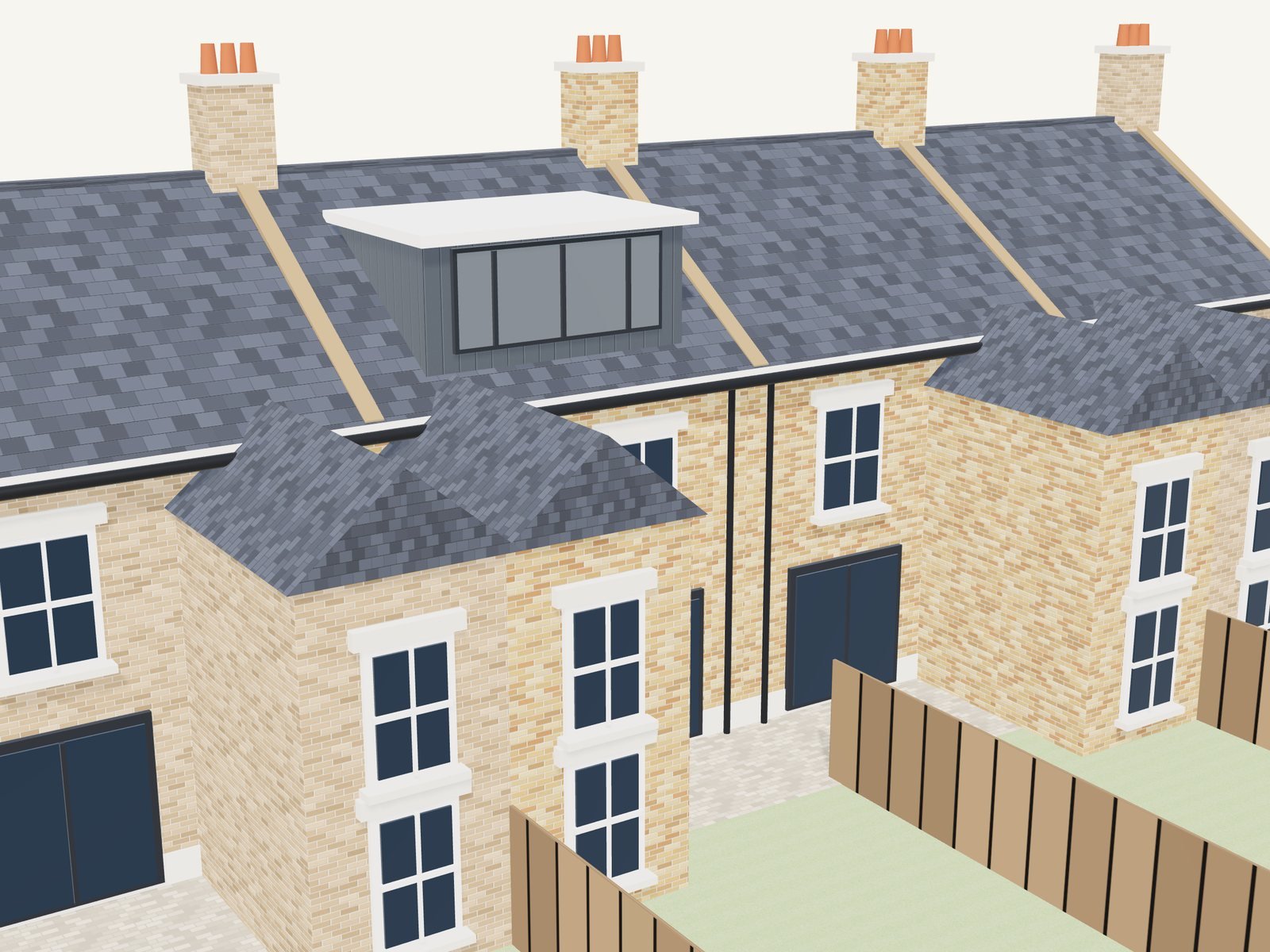
- WorkRear dormer loft
- RoutePermitted development
- DecisionLawful ✓
An LDC, in short
- What it is
- Written confirmation from your council that proposed work is lawful, usually because it falls within permitted development.
- Do you need one?
- It isn’t a legal requirement, but it’s strongly recommended. It gives you proof for buyers, lenders and neighbours, and certainty before you build.
- How long
- Councils normally decide within 8 weeks of the application being validated.
- Council fee
- Half the normal planning fee: £274 for work to a house in England (from 1 April 2026). Our drawings and application are a separate fixed quote.
Sheet 01 — What it coversHouses in England
What can a Lawful Development Certificate cover?
An LDC can confirm almost any work or change of use that falls within permitted development. These are the most common for houses. Conditions apply to each, and flats and maisonettes don’t have the same rights.
National limits for houses in England. Rights are removed or reduced in conservation areas, on listed buildings and where a council has made an Article 4 direction, so we always check the address first.
Sheet 02 — Which routeCompare
LDC, prior approval or planning permission?
If your project fits within permitted development, an LDC is the simplest way to prove it. If it’s bigger, or the rights don’t apply, you’ll need one of the other routes.
For work within permitted development. The council checks the facts and the rules, not design or neighbours’ views.
Target 8 weeks · half feeGet a quote →For larger single-storey rear extensions up to 6 m (8 m detached). Neighbours are consulted; the council decides within 42 days.
Decision in 42 daysPrior approval →For flats, conservation areas, Article 4 areas, two-storey or larger projects and most changes of use.
Target 8 weeksPlanning permission →Sheet 03 — Why get onePeace of mind
Why get a Lawful Development Certificate?
Sheet 04 — TimescaleFrom survey to certificate
How long does a Lawful Development Certificate take?
Councils normally decide within 8 weeks of validation. Unlike a planning application there’s no formal 21-day consultation, because the decision is about facts and rules rather than opinions.
Sheet 05 — Application packWhat we prepare
What do you need for an LDC application?
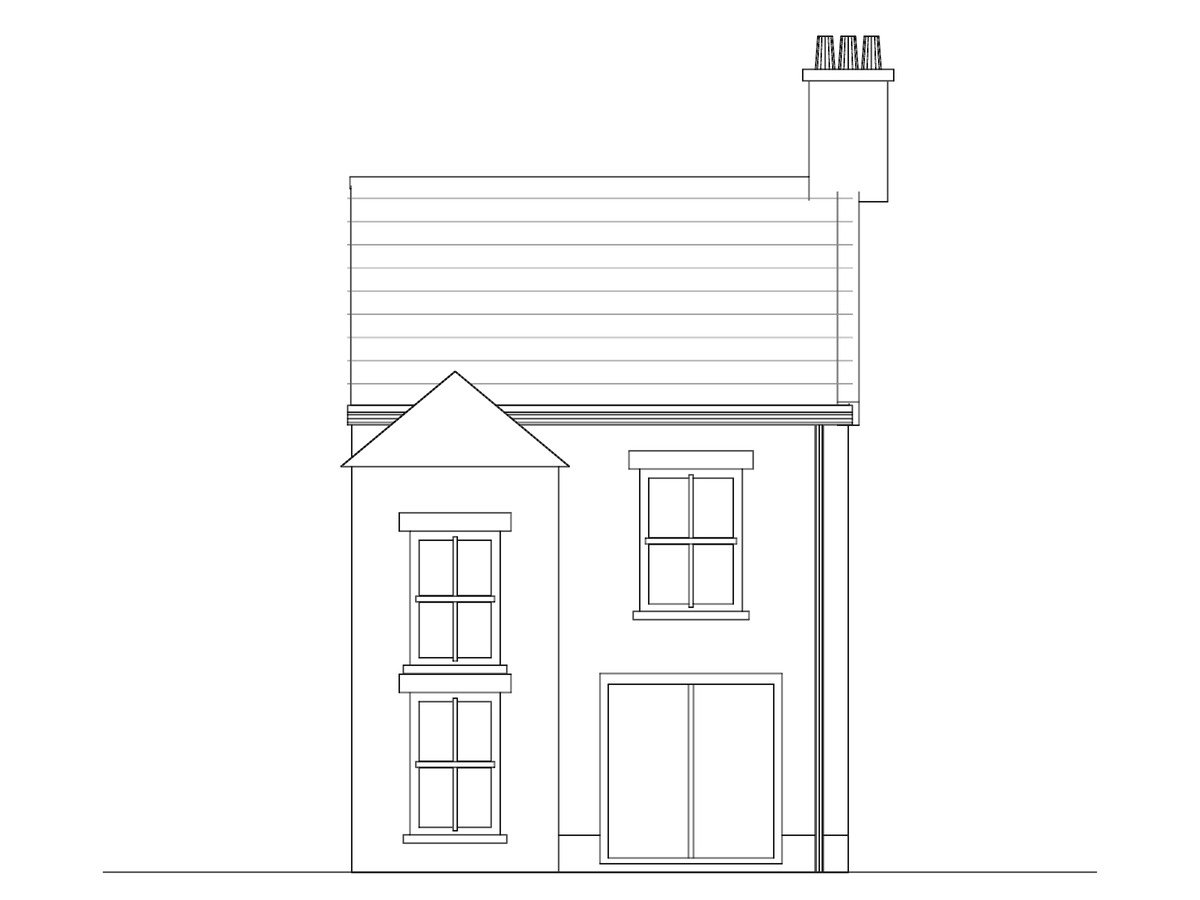
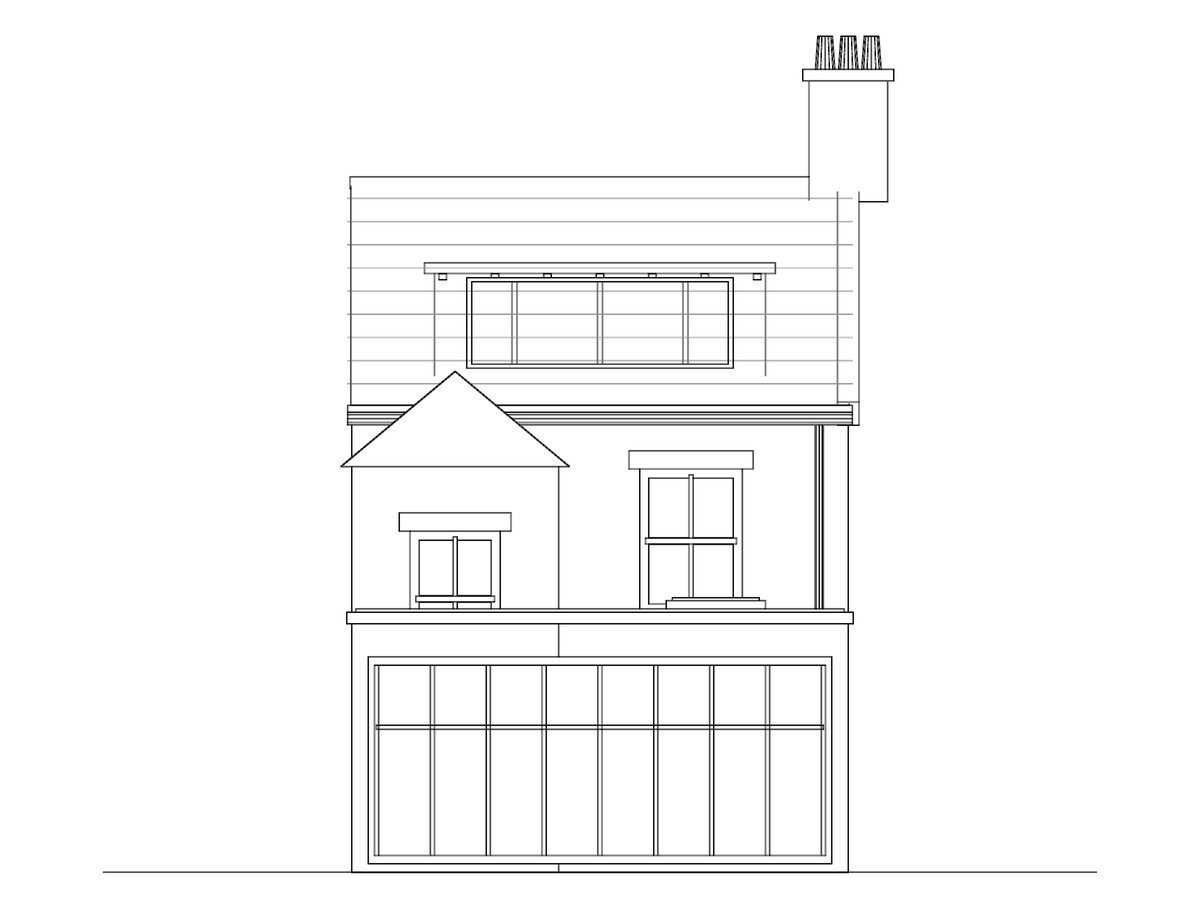
The council has to be able to see exactly what you plan to build and check it against each limit. Clear, accurate drawings are what get a certificate granted.
- Application form & feeCompleted and submitted on the Planning Portal for you.
- Location planThe site on an Ordnance Survey map with the red line boundary.
- Existing & proposed drawingsPlans, elevations and roof plans drawn from a measured survey.
- Volume & dimension checksLoft volume calculations and measurements against each limit.
- Covering statementExplains which permitted development class applies and why.
Sheet 06 — CostCouncil fees · England · from 1 April 2026
How much does a Lawful Development Certificate cost?
There’s the council fee, which is set nationally, and our drawings and application work, which we give as a fixed quote before we start.
National planning fees in England from 1 April 2026. We confirm the exact fee for your project.
Sheet 07 — Our work● Updates automatically
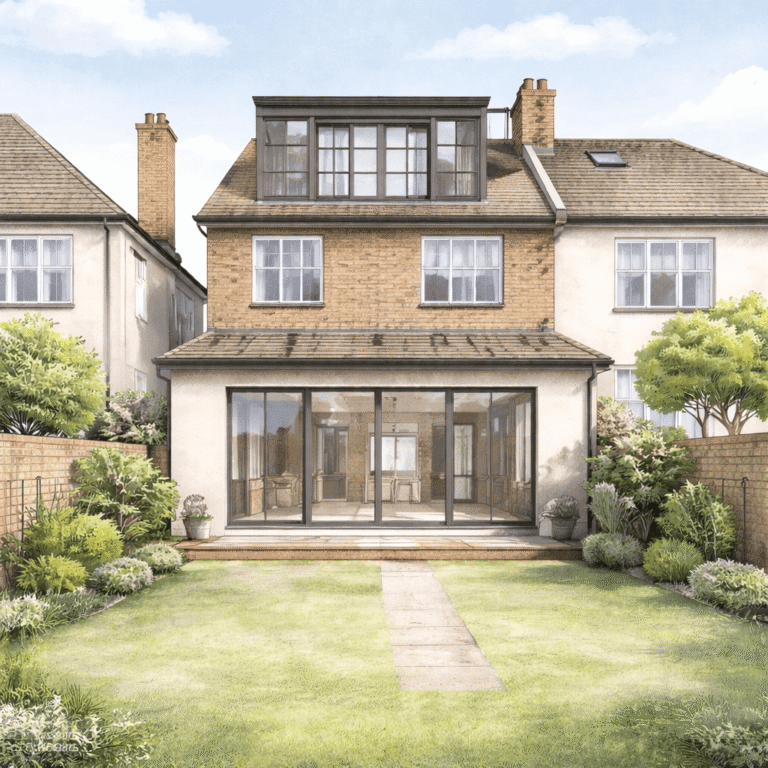
Recent projects.
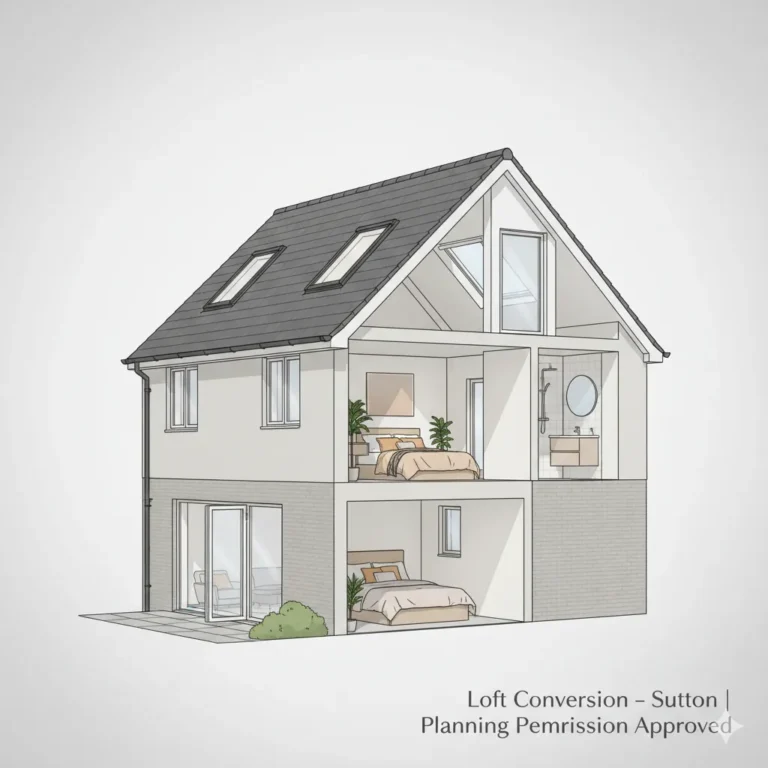
Sheet 08 — Good to knowAfter the decision
Refusals, Building Regs and party walls.
If it’s refused
- The decision explains why the council thinks the work isn’t permitted development.
- We can often amend the design to fit the limits and reapply.
- Or apply for planning permission or prior approval instead, or appeal to the Planning Inspectorate.
Still needed after an LDC
Sheet 09 — FAQs
LDC questions.
Can’t see your question? Call us on +44 7594 188857 or email info@armdb.co.uk.
What is a Lawful Development Certificate for proposed use?
It’s a certificate from your local council confirming that proposed building work or a change of use would be lawful, usually because it falls within permitted development. It is sometimes called a Certificate of Lawfulness of Proposed Use or Development (CLOPUD).
Do I need a Lawful Development Certificate?
It isn’t a legal requirement if your project is genuinely permitted development. But it’s the only formal proof that it is, which helps when you sell or remortgage, answers questions from neighbours, and gives you certainty before you build.
How long does a Lawful Development Certificate take?
Councils normally decide within 8 weeks of the application being validated. Preparing the drawings comes first, and missing information at validation can add time.
How much does a Lawful Development Certificate cost?
In England the council fee for proposed work is half the normal planning fee. For work to a house that is £274 from 1 April 2026. Drawings and application work are charged separately; we give a fixed quote.
What is the difference between an LDC and planning permission?
Planning permission decides whether a development is acceptable, taking account of design and neighbours’ views. An LDC only decides a legal question: whether the work is already allowed under the rules. There is no formal consultation and design isn’t assessed.
Can I get an LDC for a loft conversion?
Yes, it’s one of the most common uses. A loft can be permitted development if it adds no more than 40 m³ to a terraced house or 50 m³ to a semi-detached or detached house, doesn’t extend beyond the front roof slope facing a road, and meets the other conditions. Rights don’t apply in conservation areas.
Can I start work before the certificate is granted?
You can, if the work is genuinely permitted development, but it’s a risk. If the council later decides it isn’t lawful, you may need planning permission or face enforcement. Most people wait for the certificate.
Do flats have permitted development rights?
No. Householder permitted development rights apply to houses, not flats or maisonettes, so extensions and loft conversions to flats usually need planning permission.
Does an LDC replace Building Regulations approval?
No. An LDC deals with planning only. Building Regulations approval is still needed for most building work, and party wall notices may be needed if you work on or near a shared wall.
Sheet 10 — CoverageLondon boroughs
Lawful Development Certificates across London.
Every London borough has its own local plan, guidance and validation list. We work across Greater London from our office in Wimbledon, SW19, and also in Manchester, Birmingham and Liverpool.
LondonCroydonKingston upon ThamesMertonWimbledonSuttonBromleyGreenwichLewishamSouthwarkLambethWandsworthRichmondHackneyBarking & DagenhamBexleyManchesterBirminghamLiverpool
Sheet 11 — RelatedOther services
Related services.
Last updated: November 2026 · Fees and timescales are for England
Sheet 12 — Start here
Check your project today.
Send the address and what you’d like to build. We’ll tell you if it’s likely to be permitted development and send a free, no-obligation quote.
- Call+44 7594 188857
- Emailinfo@armdb.co.uk
- OfficeDalton House, 60 Windsor Avenue
London SW19 2RR
Free, no-obligation quote

Architectural designers in London for measured surveys, planning drawings and buildable designs.
Core services