Planning permission is an essential part of the UK building process, and it’s vital for anyone considering home renovations, extensions, or new construction projects. In 2026, navigating the planning system can feel complex, but understanding the process is key to ensuring that your project gets approved. Whether you’re in London, Manchester, Birmingham, or a rural area, planning permission ensures that your building project complies with local laws and community standards. In this guide, we will walk you through the steps needed to successfully submit a planning permission application.
1. What is Planning Permission?
Planning permission is a formal approval granted by your local council to build or make changes to your property. Whether you’re looking to add an extension, convert a loft, or even demolish and rebuild, planning permission ensures that the project complies with local building regulations and the design standards of your area.
Why is Planning Permission Needed?
It’s necessary because it protects the environment, ensures safety, and maintains the aesthetic integrity of the neighbourhood. Without planning permission, your project could be considered illegal, and you could face significant fines or even be asked to reverse the work.
2. The UK Planning Permission Process: Step-by-Step Guide
Step 1: Assess Whether You Need Planning Permission
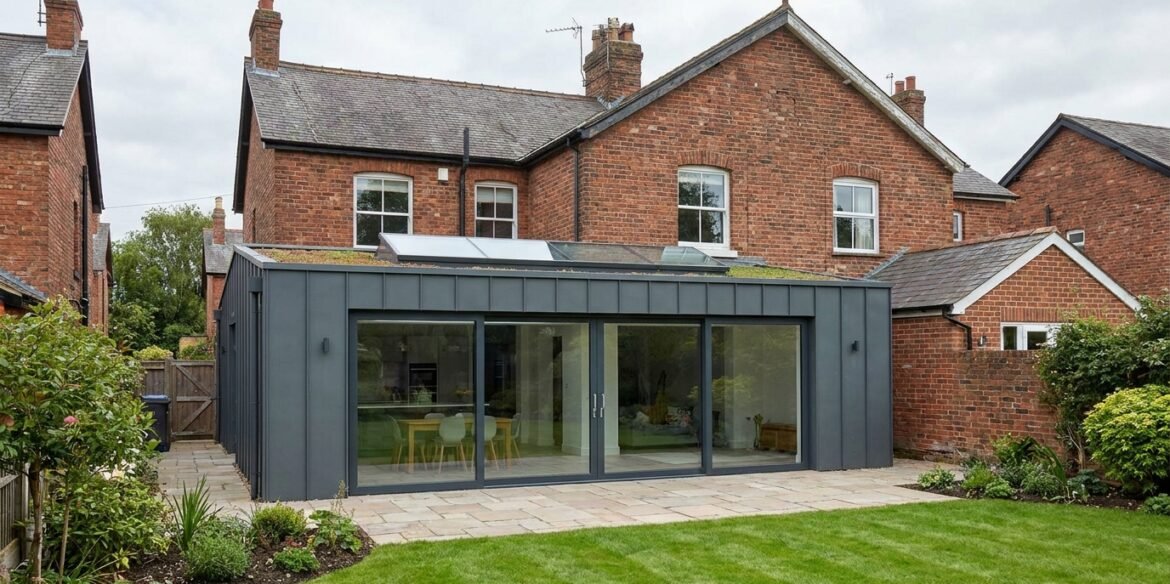
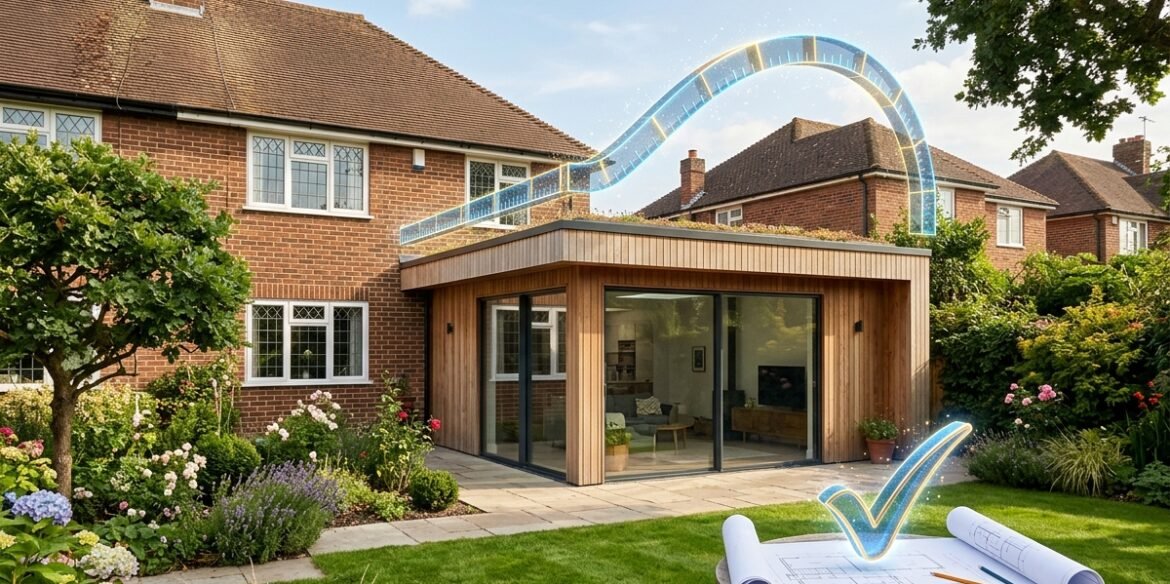
Not every construction project requires planning permission. In some cases, projects fall under Permitted Development Rights and don’t require formal approval. This includes small-scale changes, such as certain types of home extensions and internal modifications.
Examples of Permitted Development:
- Single-storey extensions (under a certain size limit)
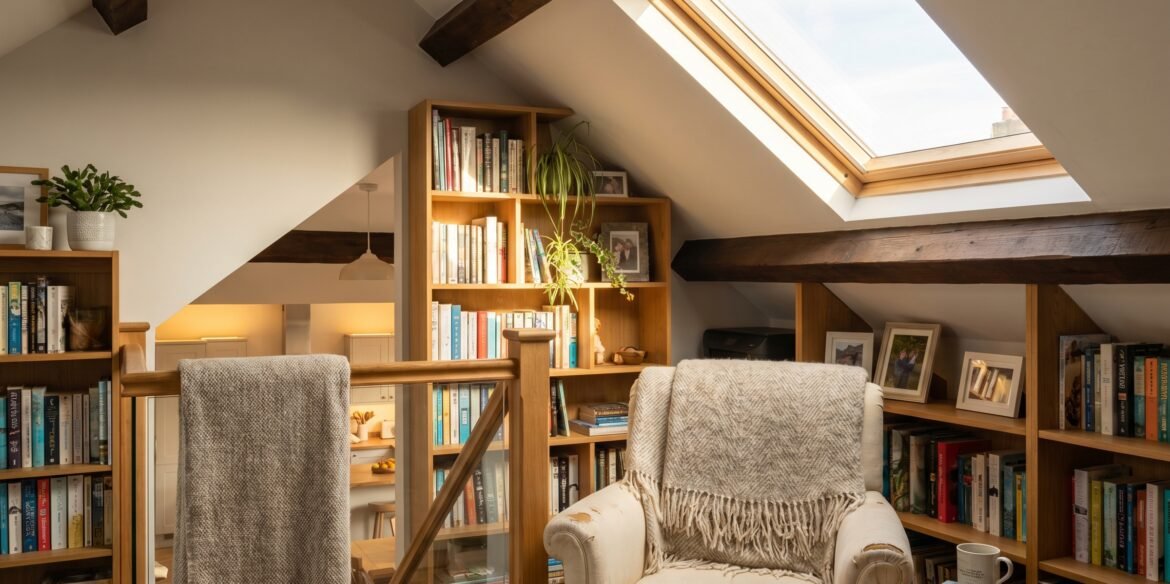
- Loft conversions (if they don’t change the roofline dramatically)
- Changes in the use of buildings in certain circumstances (e.g., converting a shop to a flat)
However, in areas like London, Birmingham, and Manchester, where space is limited, the rules can be more restrictive. In busy urban settings, local councils often enforce stricter guidelines to maintain the character and density of the area.
Step 2: Preparing Your Application
Once you’ve established that your project requires planning permission, it’s time to gather the necessary documentation. This typically includes:
- Site Plans: A detailed map of the property showing the boundaries, existing structures, and proposed changes.
- Elevation Drawings: Detailed drawings of your building’s exterior, showing how it will look once the project is completed.
- Supporting Statements: A written statement explaining why the project is necessary, how it will impact the local area, and how it will benefit the community.
While this might sound straightforward, it’s often helpful to hire an architect or planning consultant to ensure your plans meet the requirements. They can provide expert advice on zoning laws and make sure your submission aligns with local council guidelines.
Cities like London often have more complex regulations, so working with a local expert is highly recommended.
Step 3: Submitting the Application
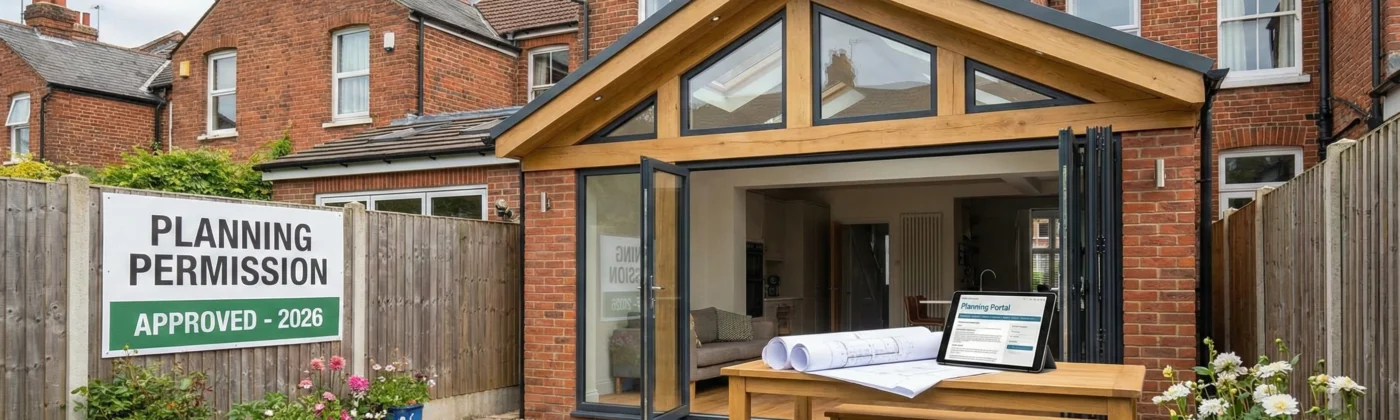
Once your application is complete, it’s time to submit it. Planning permission applications can be made online through your local council’s website. Most councils have an online portal where you can upload your documents and track the progress of your application.
Depending on the size and scale of your project, it may take up to 8 weeks for the council to review and approve your application. However, more complex projects or those in densely populated areas like London or Birmingham may require additional time.
Once submitted, your application will be reviewed by planning officers, who will assess it against local policies and regulations. In some cases, you may also be asked to attend a meeting or provide further information.
3. How to Increase Your Chances of Approval
While there’s no guaranteed way to get planning permission, there are several steps you can take to increase the likelihood of your application being approved:
- Be Aware of Local Policies: Make sure your proposal aligns with your local council’s development plan and sustainability goals. For instance, councils in areas like Manchester may have stricter policies related to energy efficiency or green space.
- Consult with Neighbours: If your project could affect your neighbours (e.g., a large extension), it’s often helpful to discuss it with them beforehand. This shows the council that you’ve considered the impact on the community and can help avoid objections.
- Use an Expert: A planning consultant or architect can help you prepare a stronger application and navigate the more complex regulations.
4. The Decision: What Happens Next?
Once your application has been reviewed, the local council will either approve or refuse it. If you receive approval, congratulations! However, if your application is refused, don’t despair. You can appeal the decision or adjust your plans and reapply.
In some cases, councils will approve a project but impose certain conditions. These could include restrictions on the materials you use, how high the building can be, or the type of windows you install.
If your application is refused, don’t give up hope. You can often make changes to your plans and reapply or even appeal the decision, depending on the council’s response.
Conclusion
Navigating the UK planning permission process in 2026 might seem daunting, but with the right approach and a solid understanding of the steps involved, you can set your project up for success. Remember to check whether you need planning permission, gather all the required documentation, and submit your application in full. If you’re unsure at any stage, consider consulting a local expert or architect who can help guide you through the process.
With this guide, you’re well-equipped to begin the journey of planning your next home renovation, extension, or new build project. Best of luck!