In 2026, the use of cutting-edge technology in construction and architecture is at an all-time high. One such innovation that has dramatically improved the accuracy and efficiency of building projects is the measured building survey, particularly those that use 3D scanning. Whether you’re planning a renovation, extension, or new build, having a precise and accurate survey is essential to ensure your project runs smoothly. This guide will explain why a measured building survey with 3D scanning is vital for your next construction project, with specific insights for areas like London, Manchester, and Birmingham.
1. What is a Measured Building Survey?
A measured building survey is a detailed collection of data on an existing building’s dimensions, layout, and structure. These surveys are typically carried out by professional surveyors using high-tech equipment to produce accurate floor plans, elevations, and 3D models. The data collected during a measured survey is used by architects, engineers, and contractors to design, plan, and execute construction projects without the risk of costly errors or omissions.
What’s Different About 3D Scanning?
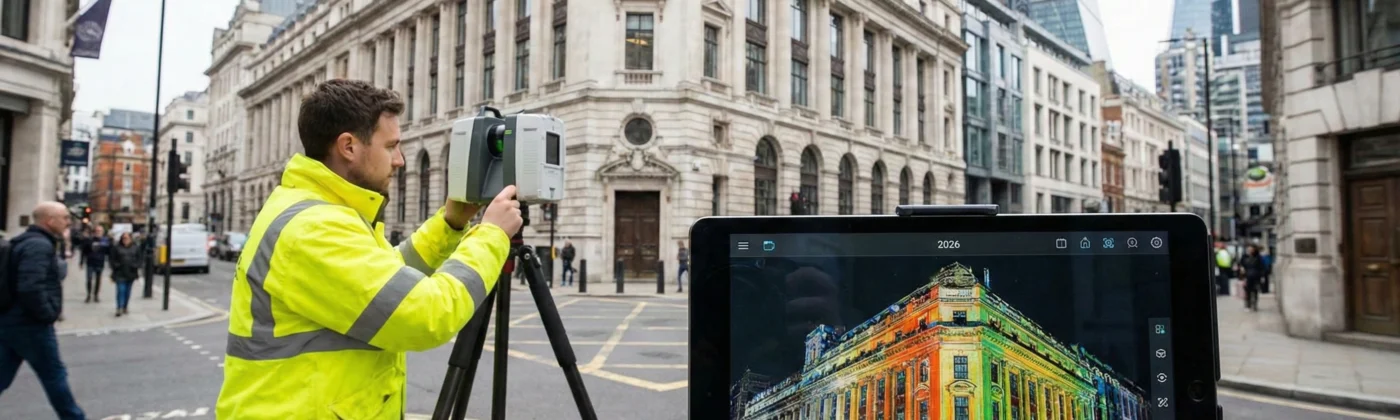
While traditional methods used physical measurements and manual drawings, 3D scanning uses laser technology to capture precise measurements and create highly detailed digital representations of buildings. This makes it possible to produce point clouds three-dimensional data sets that reflect every surface and feature of a building.
2. The Importance of Measured Building Surveys in Construction
Avoiding Costly Mistakes
When you’re working with an existing building, small inaccuracies in measurements can lead to big problems down the line. For example, a small error in the location of a wall could cause significant issues with the overall structure, leading to costly adjustments and delays. A measured survey ensures that every dimension is accounted for correctly, which in turn prevents mistakes during construction.
Planning Accuracy
Having accurate site data is crucial to effective planning. Without precise measurements, it’s difficult to design anything that fits perfectly within the existing space. Whether you’re adding an extension in London or converting a warehouse in Manchester, a measured survey provides the data necessary for accurate, tailored designs.
3. How 3D Scanning Enhances Measured Surveys
Faster and More Accurate
Traditional surveys involve the use of tape measures and other manual tools to collect data. While effective, these methods can be time-consuming and prone to human error. On the other hand, 3D laser scanning provides instant, highly accurate measurements in a fraction of the time. This technology captures the entire structure inside and out allowing the surveyor to create a 3D model of the building that can be manipulated in software for design and planning purposes.
Detailed and High-Resolution Data
The key benefit of 3D scanning is the level of detail it offers. Laser scanners can pick up even the smallest details, such as intricate mouldings, columns, and doorways, with exceptional accuracy. This results in more comprehensive data, which is crucial for ensuring that designs will work as intended. For projects in major cities like Birmingham or London, where buildings often feature unique architectural details, 3D scanning is invaluable for preserving these elements during renovations or extensions.
4. Applications of Measured Building Surveys with 3D Scanning
Renovations and Extensions
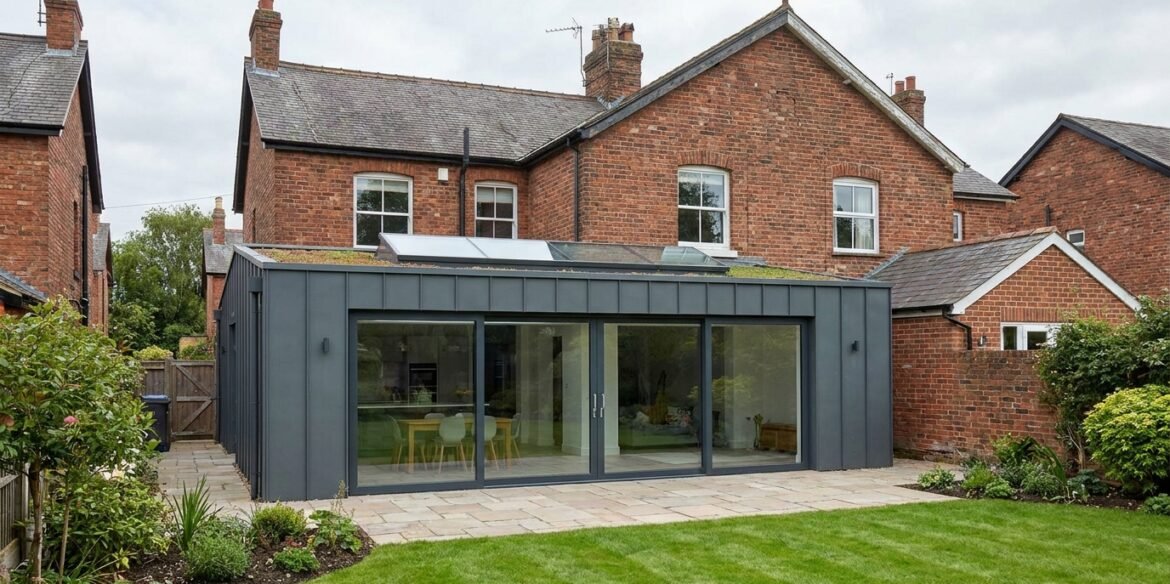
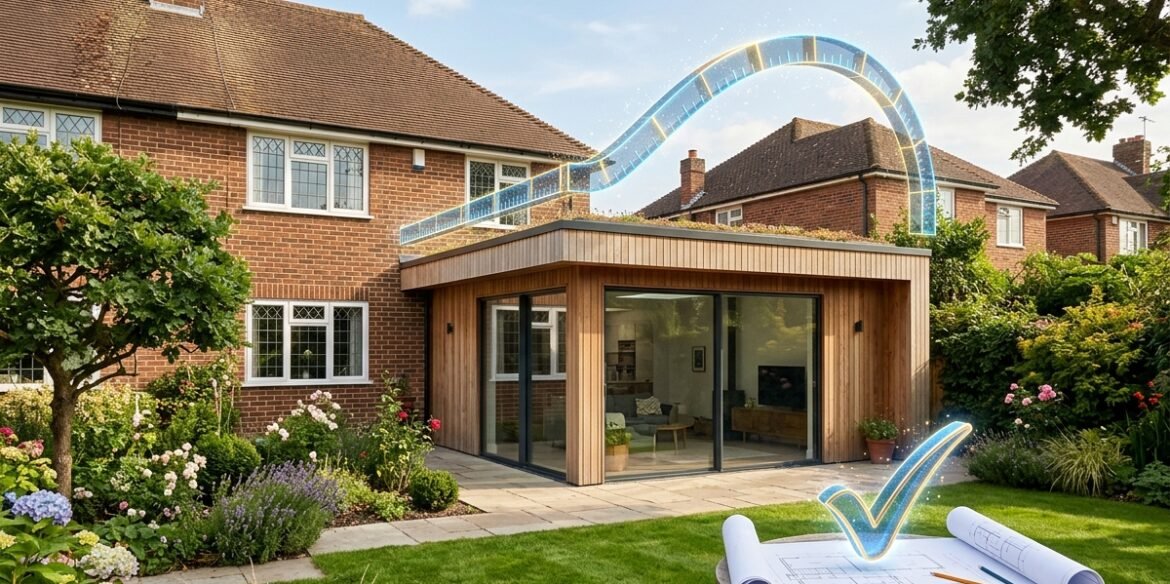
Whether you’re expanding your home in London or converting a commercial building in Manchester, a measured building survey with 3D scanning will give you the accurate data needed to design and execute your project with confidence. Knowing exactly where every wall, beam, and column is located ensures that your extension or renovation will align perfectly with the existing structure.
Historic Building Restorations
For projects involving historic buildings or landmarks, accurate measurements are even more critical. In Birmingham, where many buildings are centuries old, maintaining the integrity of the original structure while adding new features is a delicate process. 3D scanning allows for a comprehensive survey of even the most complex and intricate structures, making it the ideal solution for restoration projects.
5. Cost Efficiency: How 3D Scanning Saves Money in the Long Run
While 3D scanning might seem like an additional cost at the start of your project, it can actually save you money in the long run. The accuracy and speed of 3D scanning mean fewer mistakes, which can reduce the need for costly changes during the construction phase. Additionally, it helps avoid delays, which are another major cost factor in any building project.
Long-Term Benefits
Once the 3D scan is completed, you have a detailed and accurate model that can be used for future maintenance or renovations. This means you won’t need to re-measure the building if you decide to make additional changes in the future, saving you time and money.
6. How to Hire a Professional Surveyor for Your Project
When hiring a surveyor, it’s important to choose someone with experience in both traditional and 3D laser scanning methods. A professional surveyor will be able to provide advice on the best approach for your project and ensure that all necessary data is captured accurately.
In major cities like London or Manchester, it’s best to choose a surveyor who has worked in those specific areas, as they will be familiar with local building regulations and any specific considerations for urban construction.
Conclusion
In conclusion, a measured building survey with 3D scanning is a must for anyone starting a construction project in the UK in 2026. From preventing costly mistakes to providing detailed and accurate data for planning, the benefits of 3D scanning cannot be overstated. Whether you’re working on a home extension in London, a historic restoration in Birmingham, or a commercial conversion in Manchester, investing in this advanced survey technique ensures your project runs smoothly and efficiently.