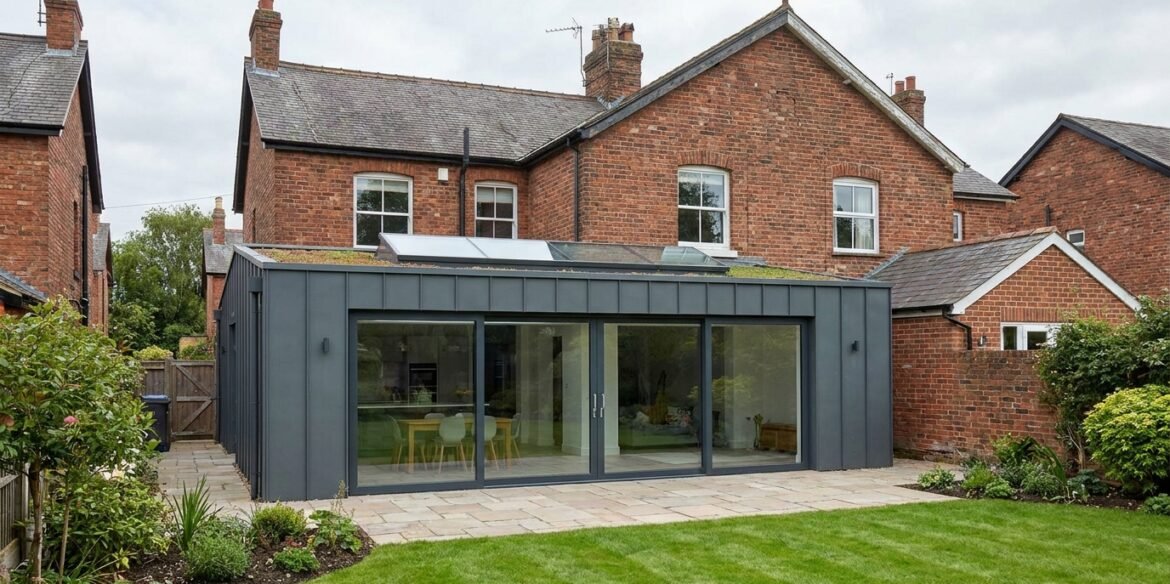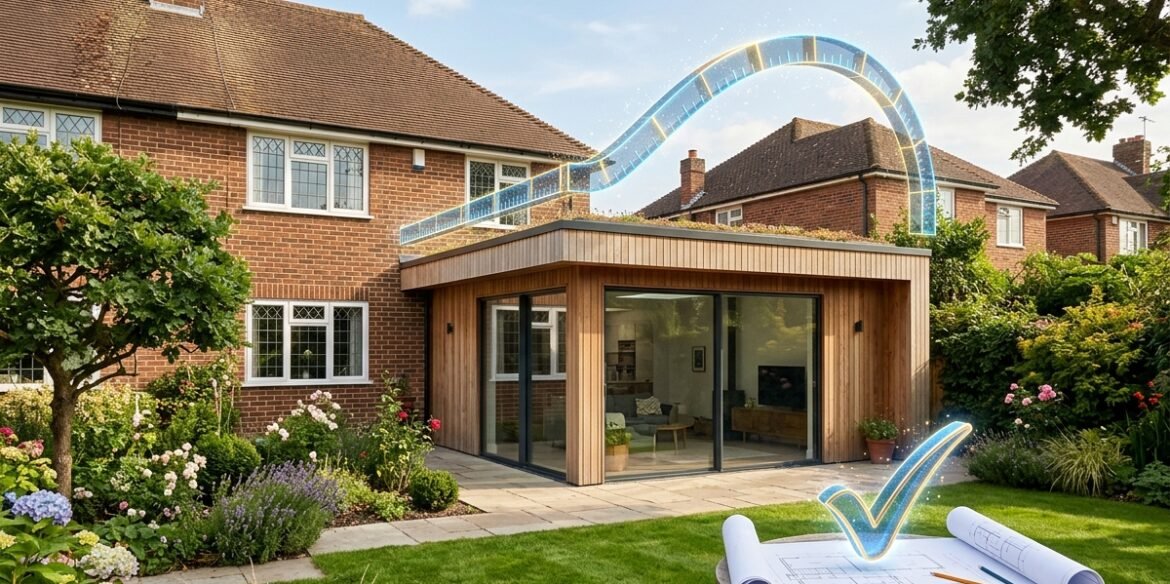
Undertaking a home extension project in the UK can be an exciting yet complex process. One of the biggest hurdles homeowners face is ensuring that their plans comply with local building regulations and planning laws. This is where measured building surveys come in. These surveys provide an accurate understanding of your property’s existing structure, ensuring that any changes or additions comply with local regulations. In this blog, we’ll explain how measured building surveys, particularly when paired with 3D laser scanning technology, help homeowners navigate UK building regulations and ensure that their home extension projects are approved on the first attempt.
1. What is a Measured Building Survey?
A measured building survey is a precise process used to capture the dimensions, layout, and condition of a building. This data is crucial for architects and builders when planning any alterations or additions. The survey typically involves collecting information about the building’s structural elements, including walls, doors, windows, ceilings, floors, and even fixed installations.
In addition to traditional manual surveys, modern techniques such as 3D laser scanning are now used, offering incredibly high precision in capturing every detail of the existing structure. These advanced tools create digital 3D models of the building, ensuring that every aspect is accurately represented, making it easier to design and implement the proposed changes.
2. The Role of Measured Surveys in Meeting Building Regulations
Building regulations are in place to ensure that any new development or renovation project is safe, sustainable, and energy-efficient. The regulations cover aspects like structural integrity, electrical safety, fire safety, and accessibility, among others. For home extensions, understanding and complying with these regulations is paramount to avoid costly delays or fines.
A measured building survey is the first step in ensuring that your extension will meet all necessary regulations. It provides architects and planners with accurate data to ensure that designs align with the UK’s standards for structural safety, energy efficiency, and safety codes.
With cities like London, Manchester, and Birmingham having specific planning and regulatory requirements, a measured building survey can help ensure your project complies with local codes. For example, an extension in a conservation area in London might require additional considerations around design and materials, which would be detailed in the survey.
3. How 3D Scanning Enhances Measured Surveys for Building Compliance
3D laser scanning plays a pivotal role in improving the accuracy and efficiency of measured building surveys. By capturing millions of data points, the scanner creates a detailed digital model of the property, which can be used for architectural design and to verify that any alterations comply with UK building regulations.
One of the main benefits of 3D scanning is the accuracy it offers. Traditional surveys might miss small details or lead to human error, but 3D scanning ensures that all measurements are precise and accounted for. This high level of precision is particularly important when dealing with complex properties or when trying to match new builds with older structures.
Additionally, 3D scanning helps avoid costly mistakes in the design process. Since the survey captures the exact dimensions of the property, it allows architects to better plan for structural elements like load-bearing walls, plumbing, and electrical systems, ensuring that the extension is both practical and compliant.
4. The Benefits of Measured Building Surveys for Home Extensions
- Regulation Compliance: A measured survey helps ensure that your extension plans meet UK building codes. By providing accurate data on the existing structure, the survey allows for designs that comply with regulations regarding height, materials, and space.
- Design Precision: With accurate measurements, architects can create a more practical and aesthetically pleasing design. This is especially important for smaller properties in cities like Birmingham or London, where space optimization is crucial.
- Time and Cost Savings: Measured surveys, especially when paired with 3D scanning, reduce the risk of design errors or structural problems later in the project. This can save both time and money, ensuring that the project stays on schedule and within budget.
- Faster Planning Approval: A precise and compliant survey is often the key to getting quick approval from your local council. This reduces delays caused by amendments or re-submissions, which can be common when plans don’t meet local regulations.
5. Case Study: Successful Home Extensions in London, Manchester, and Birmingham
Let’s take a look at some examples of successful home extension projects in cities like London, Manchester, and Birmingham, where measured surveys and 3D laser scanning played a crucial role:
- London (Conservation Areas): In historic districts, extensions must blend with the surrounding architecture. Measured building surveys ensure that these changes are both structurally sound and compliant with strict local regulations.
- Manchester (Urban Areas): For homeowners looking to expand in densely packed urban areas, measured surveys help determine how best to utilize available space while adhering to zoning laws.
- Birmingham (New Builds): A measured survey is essential when adding a modern extension to an older property. It helps ensure that the new addition aligns with the building’s foundation and structure, ensuring safety and regulatory compliance.
Conclusion
Undertaking a home extension project in the UK can be daunting, but using measured building surveys, especially those that incorporate 3D laser scanning technology, simplifies the process and ensures compliance with all UK building regulations. These surveys provide accurate, detailed data that architects and builders can use to design a safe, compliant, and functional extension, whether you’re in London, Manchester, or Birmingham.
By investing in a professional measured survey, homeowners can navigate the complex regulatory landscape with ease, avoid costly delays, and ensure that their project is completed to the highest standards.