Short answer: in England, building work or a change of use carried out without planning permission generally becomes immune from enforcement after 10 years. This single 10-year limit has applied since 25 April 2024. Work substantially completed before that date, and changes of use to a single home that happened before it, can still rely on the old 4-year limit. Once the limit has passed, a Lawful Development Certificate for existing use can confirm the work is lawful.
What is the 10-year rule in planning?
Councils can only take enforcement action against a breach of planning control within a set period. Once that period runs out without action, the breach becomes immune from enforcement and, in planning terms, lawful.
The Levelling-up and Regeneration Act 2023 (section 115) changed these time limits in England. Since 25 April 2024, there is one 10-year limit for all breaches of planning control, replacing the 4-year limit that used to apply to building work and to changes of use to a single home. Wales still uses the 4-year limit.
Which time limit applies to my property?
- Building work substantially completed before 25 April 2024: the old 4-year limit still applies.
- Building work substantially completed on or after 25 April 2024: 10 years.
- Change of use to a single home before 25 April 2024: 4 years.
- Change of use to a single home on or after 25 April 2024: 10 years.
- Any other change of use, such as a house split into flats or an HMO: 10 years, as before.
- Breach of a planning condition: 10 years, as before.
For building work, the clock starts when the work is substantially completed, not when it started. For a change of use, it starts from the date of the breach, and the use normally needs to have continued without a significant break.
Example: a rear extension built without permission
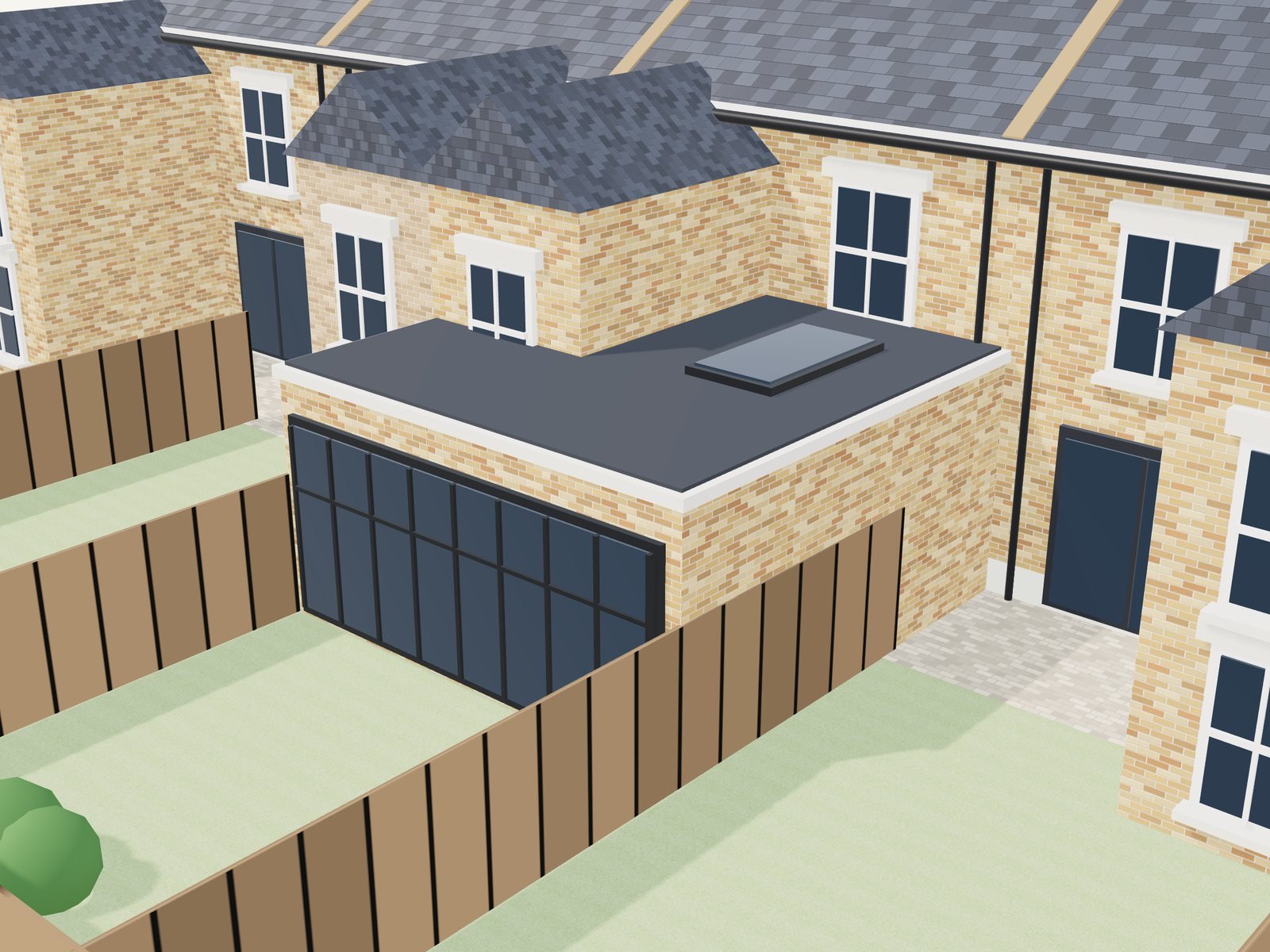
Imagine a single-storey rear extension built without planning permission:
- Finished in March 2023: the 4-year limit applies, so it will become immune in March 2027.
- Finished in June 2024: the 10-year limit applies, so the council can take action until June 2034.
A few weeks either side of 25 April 2024 makes a difference of years, so the evidence for the completion date matters.
Can the council still act after 10 years?
Usually not, but there are exceptions:
- Deliberate concealment: if a breach was hidden on purpose, the council can apply to a magistrates’ court for a planning enforcement order. If the court grants one, the council then has a year to take action, even if the normal time limit has passed.
- “Second bite”: if the council took enforcement action within the time limit that later turned out to be defective, it can take further action within 4 years of the first action.
- Listed buildings: unauthorised works to a listed building have no time limit for enforcement.
What else changed on 25 April 2024?
- Enforcement warning notices: councils can now warn owners that enforcement action will follow unless a retrospective planning application is made.
- Tighter appeals: the right to appeal an enforcement notice on planning merits is restricted in some cases, for example where a retrospective application has already been made.
- Undue delay: appeals against enforcement notices and LDC refusals can be dismissed if the appellant causes undue delay.
How do you prove the time limit has passed?
You apply for a Lawful Development Certificate for existing use. It’s up to you to prove your case, and the council decides on the balance of probabilities. Useful evidence includes:
- dated photographs, Google Street View and aerial images;
- council tax and business rates records;
- utility bills and tenancy agreements;
- builders’ invoices, receipts and building control records;
- statutory declarations from owners, tenants or neighbours; and
- accurate drawings showing exactly what exists today, from a measured survey.
The council fee is the same as the planning application fee for that development, for example £548 for work to a house in England from 1 April 2026. Councils normally decide within 8 weeks.
What if the time limit hasn’t passed yet?
Unauthorised building work isn’t a crime in itself, but ignoring an enforcement notice is. If your work is still within the time limit, the safest options are:
- Check whether it was permitted development. If it was, a Lawful Development Certificate can confirm that now, whatever its age.
- Apply for retrospective planning permission to regularise the work. See our planning permission service.
- Talk to us before you sell. Buyers’ solicitors will ask, and it’s better to have the answer ready.
Frequently asked questions
What is the 10-year rule for planning permission?
In England, most breaches of planning control become immune from enforcement if the council hasn’t taken action within 10 years. Since 25 April 2024 this applies to building work and changes of use alike, under the Levelling-up and Regeneration Act 2023.
Does the 4-year rule still exist?
Only for transitional cases. Building work substantially completed before 25 April 2024, and changes of use to a single home that happened before that date, keep the 4-year limit. Wales still uses the 4-year limit.
When does the 10 years start?
For building work, from the date it was substantially completed. For a change of use or a breach of condition, from the date of the breach.
Is my extension lawful after 10 years?
Usually, if it was finished more than 10 years ago (or more than 4 years ago for work completed before 25 April 2024) and nothing was deliberately concealed. A Lawful Development Certificate for existing use confirms it formally.
Can I sell a house with an extension built without planning permission?
Yes, but buyers’ solicitors usually ask for evidence that it’s lawful. A Lawful Development Certificate, or retrospective planning permission, gives them that evidence.
Not sure which time limit applies to your property? Send us the address, what was built and roughly when. We’ll give you an honest view of your evidence and a free, no-obligation quote. This guide covers England; it isn’t legal advice.