Permitted development allows property owners in the UK to make certain changes to their property without needing full planning permission from the local council. However, the rules surrounding permitted development can be confusing, and understanding what you can and cannot do is essential to avoid costly mistakes and potential delays. In this blog, we provide a complete guide to permitted development, especially focusing on London, and highlight how ARM Design & Build can help you navigate the process.
What is Permitted Development?
Permitted development refers to certain types of building work and changes of use that are allowed without the need for a full planning application. These developments are deemed to be acceptable by the local council, provided they meet specific criteria and conditions.
In London, permitted development rights are particularly useful for homeowners and property developers who want to carry out small-scale work, such as adding a conservatory, converting a loft, or altering the internal layout, without having to go through the lengthy process of applying for planning permission.
However, while permitted development may seem like a shortcut, there are strict rules about what can and cannot be done. Failure to adhere to these rules could lead to enforcement action, so it’s crucial to know where you stand.
What Types of Projects Fall Under Permitted Development?
1. Loft Conversions and Roof Extensions
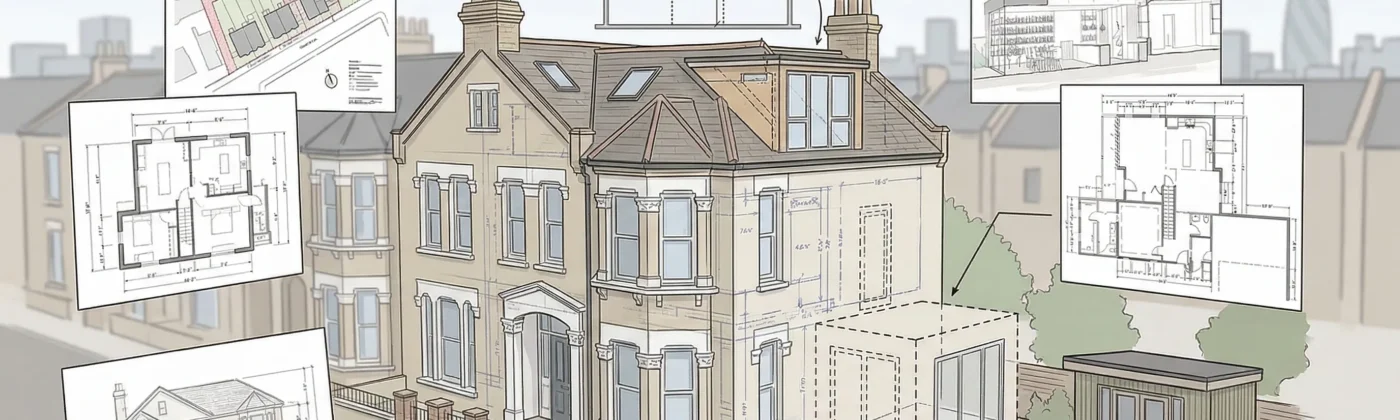
Loft conversions are one of the most common types of permitted development projects in London. If your property has the right conditions, such as a pitched roof or adequate space, you may be able to convert your loft into living space without needing planning permission.
However, there are limitations. For example, the conversion cannot exceed a specific volume, and any changes to the roofline must not exceed a certain height.
2. Home Extensions
A single-storey extension can be done under permitted development rights in many cases, provided it does not exceed the specified size limits. The extension cannot be taller than the existing roof, and it must not take up more than half the area of your garden.
For semi-detached properties or homes in conservation areas in London, the rules may be more restrictive, so it’s essential to check with your local council.
3. Garden Structures and Outbuildings
Building a garden shed, summerhouse, or home office in your garden may also be covered by permitted development rights. These structures must meet size and location requirements, such as not being located forward of the principal elevation of the house.
For garden offices in London, the structure should also be kept to a reasonable size, typically under 30 square metres.
What Cannot Be Done Under Permitted Development?
1. Major Structural Changes
Major changes, such as demolitions, new build constructions, or significant alterations to the structure, are not permitted under permitted development. If your project involves rebuilding or making large structural modifications to the exterior of your property, you will likely need full planning permission.
2. Changes to Listed Buildings and Conservation Areas
If your property is a listed building or located in a conservation area, the scope of permitted development rights is greatly restricted. For example, you may not be able to carry out any external alterations or extensions to a listed building without gaining full planning permission.
Similarly, homes in conservation areas are subject to stricter guidelines to preserve the character of the area. You may not be able to change the appearance of the property, including altering windows, roofs, or adding extensions.
3. Change of Use Without Planning Permission
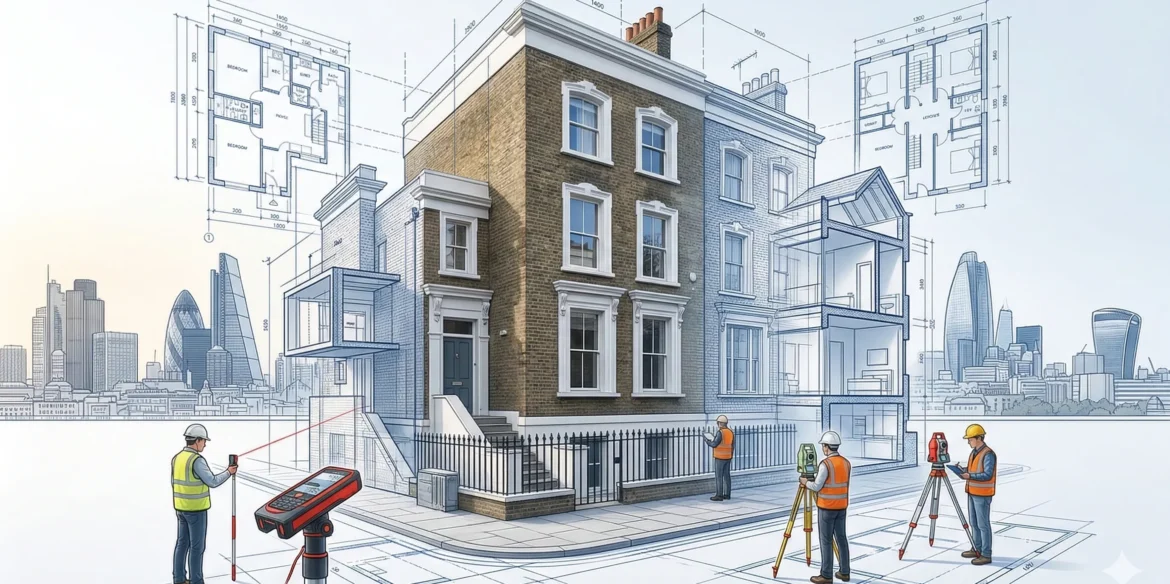
While certain internal alterations may fall under permitted development, a change of use often requires planning permission. For example, converting a retail shop into a restaurant or changing an office space into residential flats generally requires full planning approval. A measured survey and consultation with ARM Design & Build can help you assess the legal requirements for changes of use in London.
How to Check if Your Project Qualifies for Permitted Development
1. Review the National Planning Policy
The National Planning Policy Framework (NPPF) sets out the rules and conditions for permitted development rights in the UK. You should review this document to ensure your project falls within the guidelines.
2. Check Local Council Regulations
Each London borough may have specific local variations on the national rules. For example, some areas may restrict roof extensions or the size of outbuildings due to local environmental concerns or aesthetic guidelines. Always check your local council’s planning portal for the most accurate and up-to-date information on permitted development in your area.
3. Consult with an Expert
Navigating permitted development rules can be complicated. ARM Design & Build can provide expert guidance to help you determine whether your project qualifies and ensure that your development complies with all relevant regulations. We offer measured surveys to assess your property’s eligibility and ensure your plans align with the guidelines.
Why You Should Work with ARM Design & Build
Expert Advice on Permitted Development in London
At ARM Design & Build, we specialize in permitted development projects throughout London. Our team provides expert advice to ensure your project meets all criteria, saving you time and avoiding any legal complications.
Whether you’re planning a home extension, loft conversion, or garden structure, we’ll help you navigate the complexities of the regulations, ensuring your project is completed without issues. We also provide measured surveys, helping you understand the full scope of what can be done with your property under permitted development.
Start Your Permitted Development Project with Confidence
Understanding permitted development rights is crucial for homeowners and developers looking to make changes to their properties in London. While it offers a streamlined approach to making improvements, there are specific limitations and rules that must be followed. By partnering with ARM Design & Build, you can ensure that your project complies with all relevant guidelines, saving you time, money, and stress.
If you’re ready to get started with your permitted development project, contact us today for a free consultation and expert guidance.