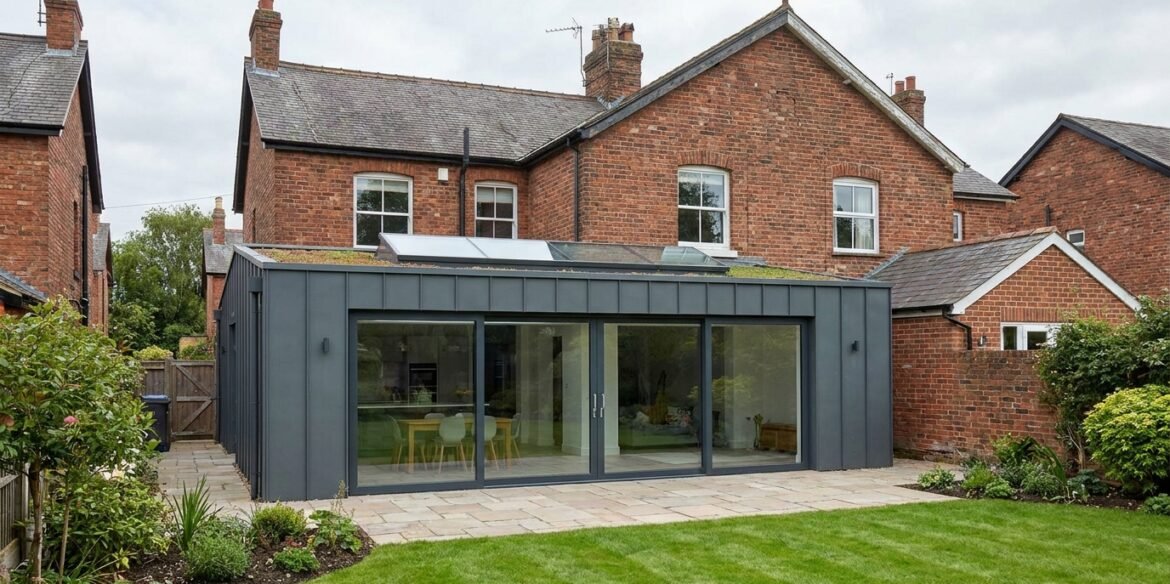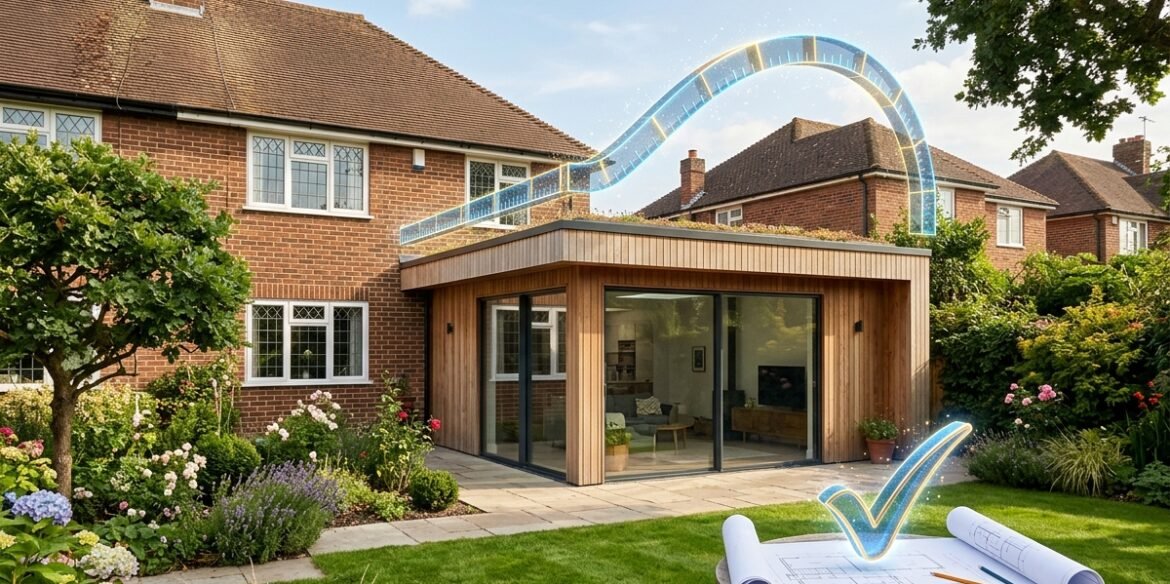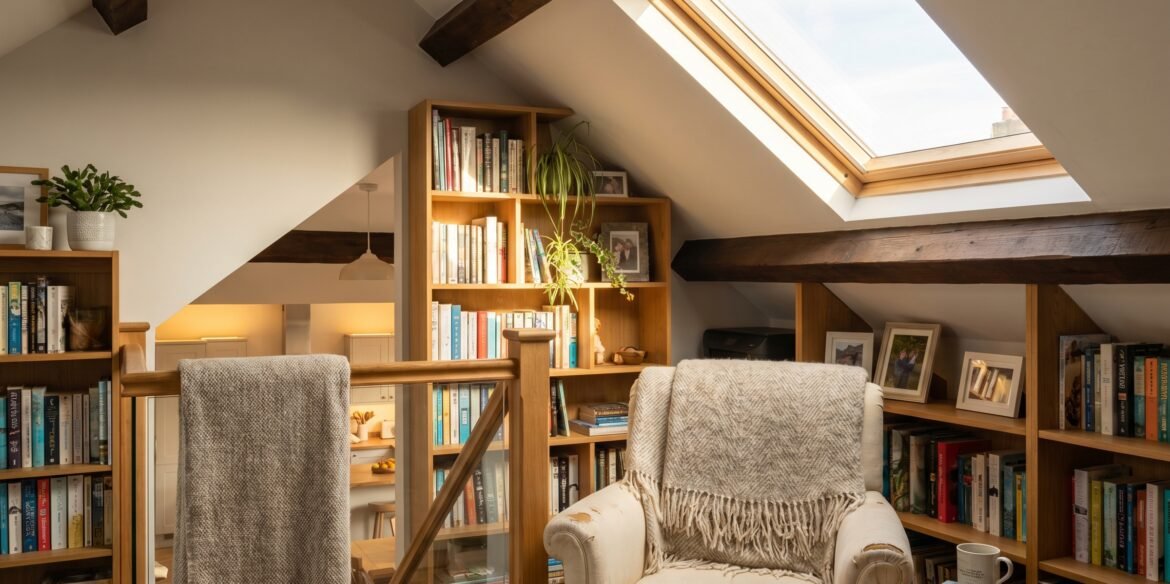
If you’re planning any kind of work to your property — an extension, a loft conversion, a change of use — you’ve probably already Googled “do I need planning permission?” And you may have come across something called a lawful development certificate instead.
The two are often confused, and honestly, that confusion is understandable. They overlap in certain situations, and the terminology doesn’t exactly make things obvious.
So let’s untangle it. Here’s exactly what each one is, when you need it, and how to work out which route is right for your project.
What Is Planning Permission?
Planning permission is probably what most people think of first. It’s the formal consent granted by your local planning authority (LPA) before you can carry out certain types of development, change the use of a building, or make significant alterations to your property.
Not everything needs planning permission — but plenty does. Typical projects that require it include:
- New build properties
- Extensions that go beyond permitted development limits
- Converting a commercial property to residential use (in most cases)
- Substantial changes to the external appearance of a listed building
- Change of use where the new use falls in a different planning use class
When you apply for planning permission, the council assesses your proposal against their local planning policy, the National Planning Policy Framework (NPPF), and other material considerations — including neighbour impact, design, and character of the area. It’s a full decision-making process, and the outcome can be approval, approval with conditions, or refusal.
What Is a Lawful Development Certificate?
A lawful development certificate (LDC) is something different — and it’s often more useful than people realise.
An LDC is a formal legal document issued by the local planning authority that confirms a particular use, operation, or activity is lawful for planning purposes. It doesn’t grant permission for something — it confirms that something is already permitted.
There are two types:
CLEUD — Certificate of Lawful Existing Use or Development
A lawful development certificate for existing use (CLEUD) is used when you want to confirm that an existing use or development is lawful — typically because it has been in place long enough that enforcement action can no longer be taken.
Common examples include:
- A property that has been used for a particular purpose for over 10 years without planning permission
- A building that has been used as a separate dwelling for over 4 years
- Development that was carried out without permission but is now beyond the enforcement time limit
A CLEUD is essentially a safety net — it proves to buyers, lenders, and solicitors that a situation is regularised.
CLPUD — Certificate of Lawful Proposed Use or Development
A lawful development certificate for proposed use (CLPUD) is used when you want to confirm that a proposed project — work you haven’t done yet — falls within permitted development rights and therefore doesn’t require planning permission.
This is often the smarter route for homeowners planning extensions, outbuildings, or loft conversions that they believe are permitted development. Rather than relying on an informal assumption, you get written legal confirmation from the council.
So What’s the Difference in Practice?
Here’s a simple way to think about it:
Planning permission = you’re asking for consent to do something that requires it.
Lawful development certificate = you’re asking for confirmation that you either don’t need consent, or that a situation is already lawful.
The key practical difference is that an LDC is often quicker, cheaper, and less risky than a full planning application. Because the council is assessing whether something falls within existing rights — not making a policy judgement — there is no discretion involved. If you meet the criteria, they must grant the certificate.
This is why a CLPUD is increasingly popular for extensions and outbuildings. If your project clearly falls within permitted development, getting a CLPUD gives you certainty — which is particularly valuable if you’re selling the property in the future or using a mortgage lender.
When Should You Go for Planning Permission Instead?
Planning permission is the right route when:
- Your proposed project exceeds the permitted development limits (e.g. a large rear extension, or a side extension on a semi-detached that hits the width threshold)
- You’re in a conservation area, Article 4 Direction area, or the property is listed
- You’re changing the use of a building between different planning use classes
- Your local council’s permitted development rights have been restricted by condition
Even within permitted development, some projects benefit from a full planning application — for example, if you want a legal record of a positive decision, or if the design is ambitious enough that you want to establish the principle of development.
For planning permission services, we handle the full application process from pre-application discussions through to decision.
Common Situations — Which Route Applies?
| Situation | Likely Route |
|---|---|
| Small rear extension within PD limits | CLPUD or just permitted development |
| Large rear extension over PD limits | Planning permission (or prior approval) |
| Loft conversion within PD limits | CLPUD or just permitted development |
| Outbuilding within PD limits | CLPUD or just permitted development |
| Commercial unit used as residential for 5+ years | CLEUD |
| Converting garage to habitable room | CLPUD or planning permission (depends on location) |
| Office-to-residential conversion | Prior approval or planning permission |
The right answer often depends on specifics — your local planning authority, the design of the project, and any restrictions on the property.
How Long Does Each Take?
- CLEUD/CLPUD: Typically 8 weeks from valid application, though many are decided faster.
- Full planning permission (householder): Also usually 8 weeks from validation — but can take longer if the application generates objections or requires negotiation.
In practice, a CLPUD for a straightforward permitted development project often moves faster than this because there’s no policy discretion — just a legal test.
How Much Does It Cost?
As of 2025, the planning application fees set by the government in England are:
- CLEUD/CLPUD: £258 for domestic proposals
- Householder planning permission: £258 for extensions and alterations to a dwelling house
In addition to the application fee, you’ll need to budget for professional fees — for drawings, documentation, and the application itself. The complexity of the project affects this significantly. Getting a quote from a planning consultant early helps you understand the full picture.
Frequently Asked Questions
- Can I just do the work without a CLPUD if I believe it’s permitted development? Technically yes — permitted development rights don’t require any formal application. But if you sell the property, your solicitor will likely be asked for evidence, and buyers’ solicitors often query works that have no LDC. Getting a CLPUD protects your position and adds value to the property.
- What if I apply for a CLPUD and the council refuses? It means they don’t consider the project to fall within permitted development — either due to size, design, or a restriction on the property. You would then need to apply for planning permission. This is why good professional advice before you apply is important.
- Do I need an architect to apply for a lawful development certificate? You don’t legally need one, but a professional will ensure your drawings meet the required standard, your application is complete, and the documentation supports the legal test. Poorly prepared applications get rejected or delayed.
- How long is a lawful development certificate valid? There’s no expiry on an LDC — once granted, it is permanent confirmation that the situation is lawful. However, a CLPUD relates to the specific proposal submitted; if you make significant changes to the design, you may need a new one.
- Does a lawful development certificate mean I don’t need Building Regulations approval? No. Planning/LDC and Building Regulations are entirely separate. Even if a project doesn’t need planning permission, it may still require Building Regulations approval for structural, fire safety, or energy efficiency compliance.
Not Sure Which Route Is Right for You?
We can help you work it out — usually within a short conversation. Whether you need a CLPUD for a planned extension, a CLEUD to regularise an existing situation, or a full planning application, our team will give you an honest assessment of the best route forward.
Visit our planning permission services page or get in touch directly to discuss your project.