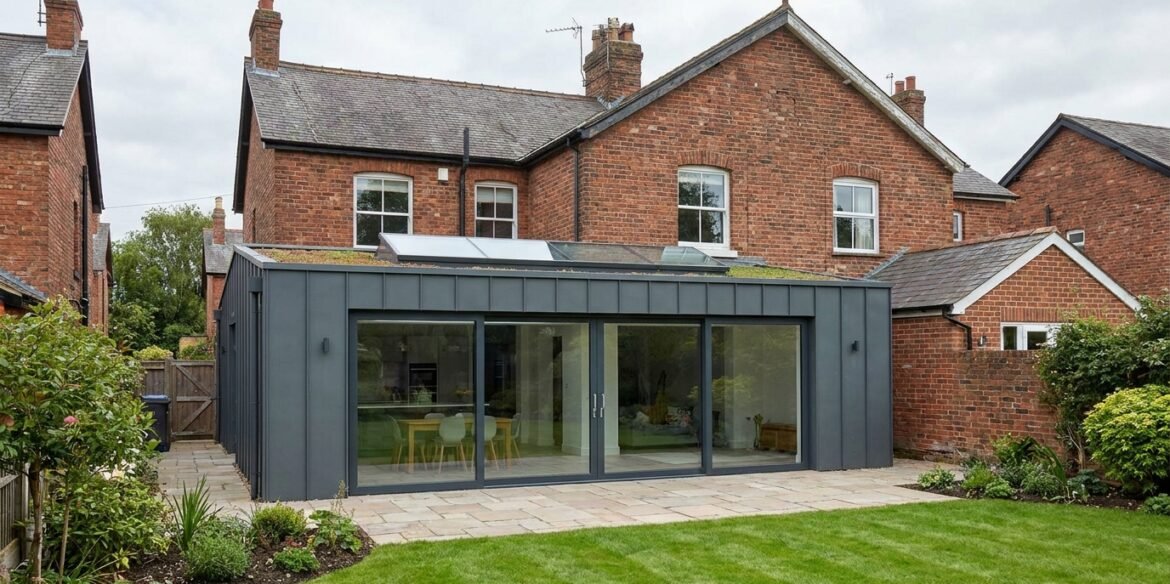
When embarking on any construction or renovation project in the UK, whether it’s a new build or a simple home extension, understanding building regulations is essential. These regulations are in place to ensure the safety, sustainability, and functionality of buildings. However, for many first-time builders, property developers, or homeowners, navigating these complex rules can seem overwhelming.
Without proper knowledge of building regulations, you risk costly delays, unexpected complications, and even potential legal issues. So, how can you avoid these challenges and ensure your project runs smoothly? The answer lies in partnering with a professional service like ARMDB, who can guide you through every step of the process, ensuring compliance and peace of mind.
In this guide, we’ll explain the key aspects of building regulations in the UK, why they are so important, and how they impact your construction project. Whether you’re building a new home or expanding an existing structure, understanding these regulations is crucial to achieving a successful outcome.
What Are Building Regulations in the UK?
Building regulations in the UK are a set of legally enforced standards designed to ensure that buildings are safe, healthy, and energy-efficient. They cover all aspects of construction, including the structure, fire safety, accessibility, and energy efficiency. These regulations are set by the UK government and apply to both residential and commercial properties.
It’s important to note that building regulations differ from planning permission. While planning permission focuses on the appearance and location of a building, building regulations ensure the building is constructed to a safe and functional standard.
Why Are Building Regulations Important?
Building regulations exist for a reason—they help to:
- Ensure Safety: They are in place to protect people who use and live in buildings. This includes ensuring structural integrity and fire safety.
- Promote Energy Efficiency: With a focus on sustainability, these regulations encourage energy-efficient building methods and designs that reduce environmental impact.
- Improve Accessibility: They ensure that buildings are accessible to all, including people with disabilities.
- Increase Property Value: Compliance with regulations can increase the value of a property, as it ensures the building is safe, sustainable, and built to modern standards.
Working with an expert architectural service like ARMDB ensures that your project meets all legal and technical requirements from the start, preventing costly mistakes and delays.
Key Areas Covered by Building Regulations
Building regulations cover a wide range of factors, each addressing different aspects of construction. Here are some of the most important areas:
1. Structural Safety
Structural safety is one of the most critical elements of building regulations. It ensures that the foundation, walls, roofs, and floors of a building can withstand the loads and stresses they will face over time. The regulations cover materials, construction techniques, and load-bearing capacity.
- Important considerations:
- The use of strong materials that can support the weight of the building.
- Proper foundations based on soil tests.
- Correct load distribution throughout the structure.
2. Fire Safety
Fire safety regulations aim to prevent fires and provide adequate escape routes in the event of a fire. This includes ensuring the building is equipped with fire-resistant materials, fire doors, and the correct installation of alarms and sprinklers.
- Key requirements:
- Adequate fire exits and escape routes.
- Fire-resistant materials used for walls, doors, and floors.
- The installation of fire alarms and emergency lighting.
3. Energy Efficiency and Insulation
One of the major focuses of modern building regulations is improving energy efficiency. This includes everything from insulation to heating systems, ensuring buildings consume as little energy as possible.
- What’s covered:
- Adequate insulation in walls, ceilings, and floors.
- Energy-efficient heating and lighting systems.
- Double glazing or triple glazing for windows.
- Renewable energy sources, such as solar panels.
4. Ventilation and Air Quality
Proper ventilation is crucial for maintaining healthy air quality inside a building. Building regulations require systems that ensure sufficient airflow to prevent mould, dampness, and condensation, which can cause health issues.
- What to consider:
- Use of ventilation systems, such as extractor fans.
- Correct positioning of windows for natural ventilation.
- Ensuring the building is airtight while allowing for fresh air circulation.
5. Accessibility and Disability Access
Under the Equality Act 2010, buildings must be accessible to people with disabilities. This includes making sure that public spaces, entrances, and facilities are usable by everyone, regardless of physical limitations.
- Accessibility features include:
- Ramps and wide doorways for wheelchair access.
- Accessible bathrooms with adequate space and grab rails.
- Elevators in multi-storey buildings.
How to Ensure Your Project Meets Building Regulations
The process of ensuring compliance with building regulations can be complex, but with the right team by your side, it becomes manageable. Here’s a step-by-step approach to ensuring your project meets the required standards:
1. Hire a Professional Architect or Planner
It is highly advisable to engage an experienced architectural professional who understands the ins and outs of UK building regulations. At ARMDB, we offer architectural design services alongside planning consultancy, ensuring that your project is not only aesthetically pleasing but also fully compliant with all regulations.
2. Submit Planning Applications Early
Before beginning construction, you’ll need to submit your building plans to your local council for approval. This is typically done in the form of a Building Regulation application, which outlines the specifics of the construction.
At ARMDB, we assist with submitting these applications, liaising with local authorities to ensure that everything is in order.
3. Use a Building Control Officer
Once your plans are approved, a Building Control Officer will inspect your construction at various stages to ensure compliance with building regulations. They will provide guidance and feedback throughout the construction process.
4. Focus on Sustainable Practices
With building regulations increasingly focused on energy efficiency and sustainability, ensure your project includes green building practices. This could include solar panels, energy-efficient windows, and sustainable materials.
5. Final Inspections and Certification
Once the construction is complete, a final inspection will be conducted to ensure all regulations have been met. Upon successful inspection, you will receive a Completion Certificate, confirming that your building complies with all legal requirements.
The Latest Trends in Building Regulations (2025-2026)
Building regulations are constantly evolving to keep pace with new technology, sustainability concerns, and safety standards. Here are some of the key trends expected to shape building regulations in 2025-2026:
- Increased Focus on Net-Zero Carbon Emissions: The UK government is committed to achieving net-zero carbon emissions by 2050, and this is reflected in updated building regulations. Expect stricter energy efficiency requirements, including higher standards for insulation, low-carbon heating systems, and solar energy integration.
- Building for Climate Resilience: With climate change becoming an increasing concern, new building regulations will focus on making buildings more resilient to extreme weather conditions, such as flooding, heatwaves, and high winds.
- Smart Homes and Building Technologies: As technology continues to advance, regulations will adapt to include smart home technologies, such as automated systems for heating, lighting, and security, which are becoming integral to modern living.
FAQs
- What are building regulations in the UK?
Building regulations are legal standards that govern the construction, design, and safety of buildings. They ensure that buildings are safe, sustainable, and energy-efficient. - How do building regulations differ from planning permission?
Planning permission focuses on the design, location, and appearance of a building, while building regulations ensure the safety, accessibility, and energy efficiency of the structure. - Why are building regulations important?
Building regulations are essential to protect the health and safety of people, improve energy efficiency, and ensure buildings are accessible and compliant with the law. - What should I do to ensure compliance with building regulations?
Engage a professional architect or consultant who understands building regulations, submit planning applications early, and ensure regular inspections throughout the construction process. - How will building regulations change in the future?
In the coming years, building regulations are expected to focus more on sustainability, energy efficiency, and resilience to climate change, with stricter requirements for carbon emissions and energy use. - Can ARMDB help with building regulations?
Yes, ARMDB provides expert architectural services and planning consultancy to ensure your project complies with building regulations from start to finish. - What happens if I don’t comply with building regulations?
Non-compliance with building regulations can result in fines, delays, and potentially unsafe buildings. It can also affect the resale value of your property.
Conclusion
Understanding and adhering to building regulations is critical for the success of any construction project in the UK. Whether you’re embarking on a small renovation or a large-scale commercial build, compliance with these regulations ensures safety, efficiency, and long-term sustainability. At ARMDB, we’re here to guide you through every stage of your project, ensuring full compliance with building regulations while delivering exceptional design and planning consultancy services.
If you’re ready to start your next project, contact ARMDB today for expert advice and support throughout the entire process.