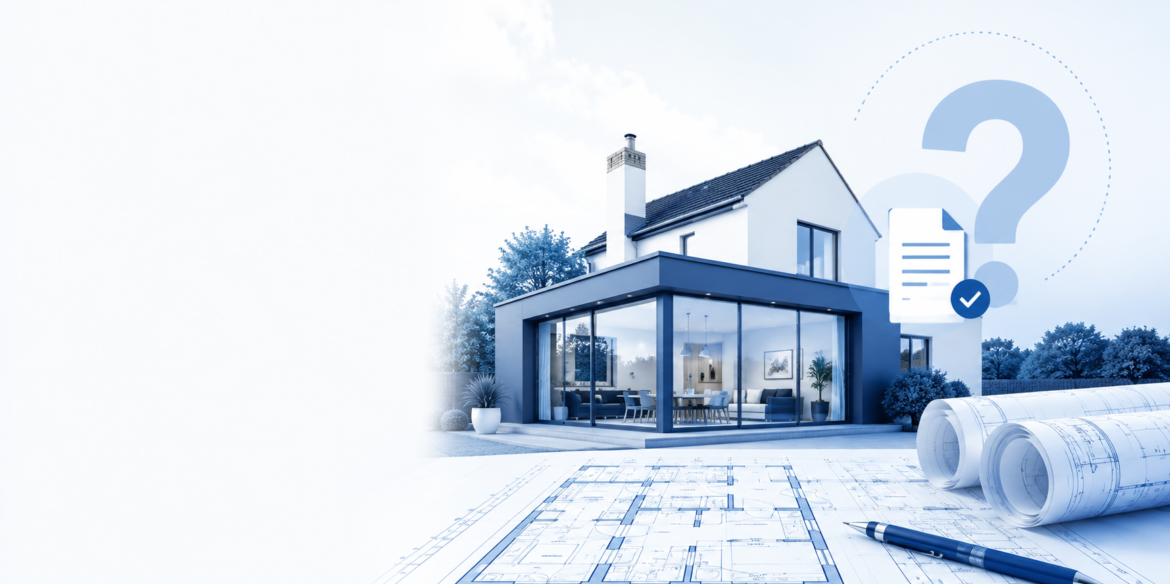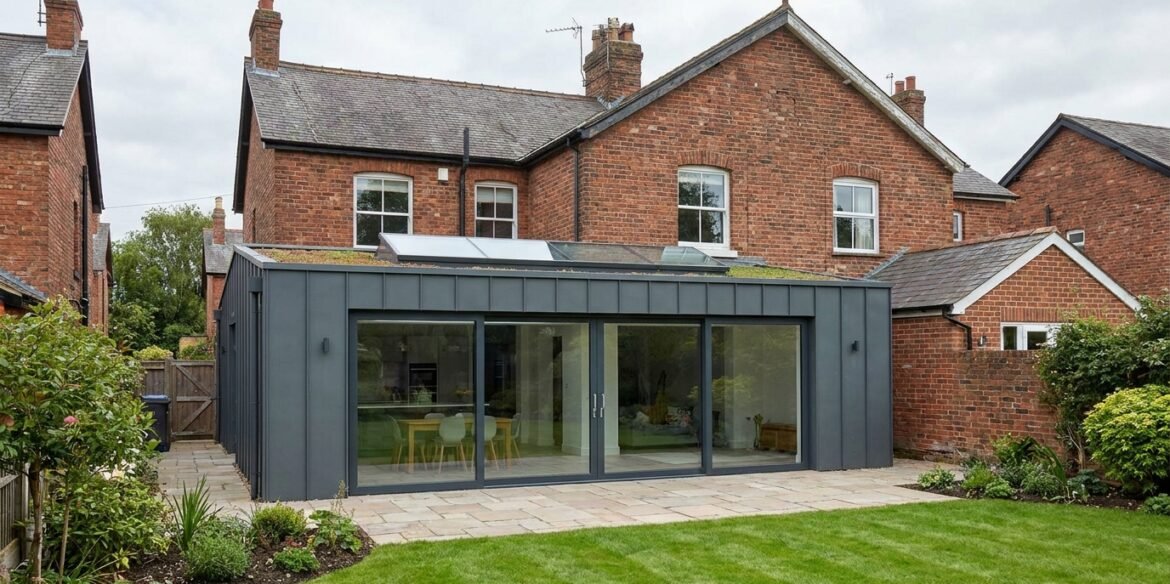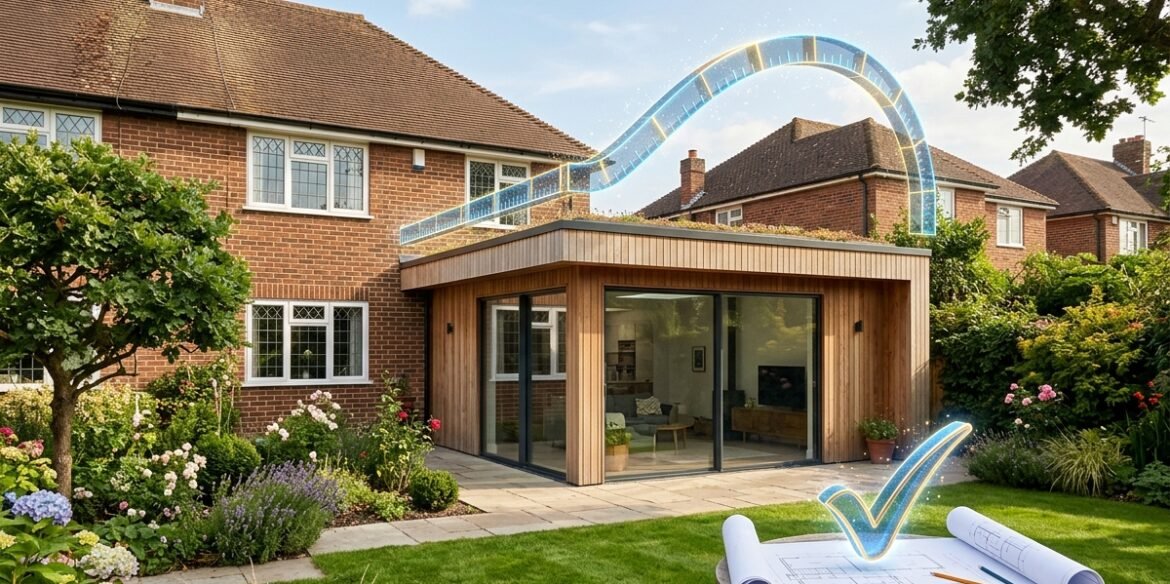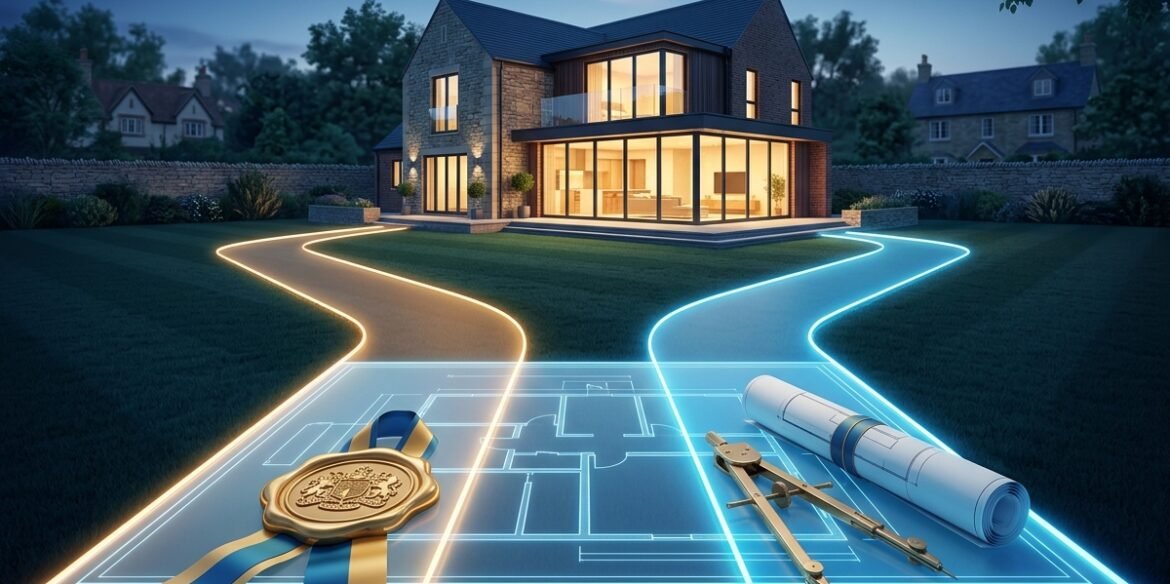
When embarking on a construction project, whether it’s for residential, commercial, or mixed-use purposes, the foundation of success often lies in the architectural design. An effective architectural plan not only enhances the aesthetic appeal of a building but also optimises functionality, addresses compliance with local regulations, and ensures long-term sustainability. For many clients, however, the complexities of navigating design concepts, planning applications, and the construction process can be overwhelming.
At ARMDB, we understand the challenges that property developers, homeowners, and businesses face when planning a construction project. That’s why we provide comprehensive architectural services and planning consultancy, ensuring every stage of your project is carefully managed—from the initial design to the completion of construction.
In this blog post, we’ll explore the crucial role architectural design plays in the success of construction projects in the UK and how working with expert professionals can make all the difference.
Why Architectural Design Matters in Construction Projects
The architectural design is the blueprint for any construction project. It is not just about creating a visually appealing structure—it’s about integrating function, aesthetics, and technicality to build something that serves its purpose efficiently and harmoniously. Here are a few reasons why architectural design is critical to construction success:
1. Optimising Space and Functionality
Good architectural design ensures that a building’s space is used in the most efficient way possible. Architects consider how people will interact with the space, ensuring it is functional, comfortable, and adaptable. Whether it’s an office building or a private home, architectural design directly impacts how the space works for its users.
For example, an architect might design a layout with ample natural light, appropriate traffic flow, and multi-functional spaces. Properly designed spaces can maximise the usability of each square metre, which can be crucial for both residential and commercial projects.
2. Compliance with Building Codes and Regulations
Architectural design isn’t just about creativity—it’s also about following regulations. In the UK, various planning regulations and building codes must be adhered to in every construction project. These include guidelines for fire safety, energy efficiency, environmental impact, and more.
When you work with ARMDB, our team ensures that all designs are fully compliant with UK building regulations and local planning policies. We guide our clients through the planning application process, making sure that every aspect of the design aligns with the legal requirements to avoid costly delays or issues down the line.
3. Sustainability and Energy Efficiency
With sustainability becoming a priority in construction, architectural design plays a pivotal role in creating energy-efficient buildings. Architects now incorporate sustainable practices such as renewable energy solutions, water-saving technologies, and eco-friendly materials into their designs.
Incorporating green building principles not only helps reduce the environmental footprint but can also lower ongoing maintenance and operational costs. In the long term, investing in sustainability can enhance the value of your property and ensure it meets future standards.
4. Creating the Right Aesthetic Appeal
Architectural design is inherently tied to aesthetics. A well-thought-out design can transform a simple building into a landmark. Whether you aim for modern minimalism or classic elegance, the right design brings your vision to life, appealing to your target audience. For commercial properties, this is especially important as it can influence brand perception.
At ARMDB, we understand that every project is unique, and we tailor our design approach to reflect your individual tastes and project goals.
The Stages of Architectural Design in Construction Projects
Architectural design is a multi-phase process that involves collaboration, innovation, and attention to detail. Let’s break down the key stages:
1. Initial Consultation and Briefing
The first stage of any architectural design process is understanding the client’s needs. During this phase, our team at ARMDB listens carefully to your ideas, requirements, and budget. We then create an initial brief that forms the basis of the project, aligning our vision with your goals.
2. Concept Design and Feasibility Study
In this phase, our architects will explore various design options, focusing on both functionality and creativity. We conduct feasibility studies to determine how viable each design concept is in terms of budget, site constraints, and regulations.
3. Planning and Development of Detailed Design
Once the initial design concept is approved, we move into the detailed design phase. Here, we produce detailed drawings, specifications, and models, providing a comprehensive view of the project. At this stage, we also make sure the design complies with all planning regulations.
4. Planning Applications and Approvals
Navigating the planning application process is often one of the most challenging aspects of construction projects. At ARMDB, we handle the entire process, submitting the necessary documents, addressing any concerns from local authorities, and ensuring timely approvals.
5. Construction Documentation and Site Supervision
After obtaining planning approval, we create construction-ready documentation that guides builders and contractors through the construction process. Our team can also provide site supervision to ensure that the project is executed as per the design and that any issues are quickly addressed.
6. Project Management and Final Handover
Lastly, the project management phase ensures that everything stays on track. From coordinating with contractors to managing timelines, our team works to guarantee that the project is completed on time and within budget. Upon completion, we conduct a final inspection to ensure the building meets the client’s expectations.
Architectural Design Trends for 2025-2026
As we look ahead to 2025 and 2026, architectural design trends in the UK are evolving to meet both environmental and technological challenges. Some of the most significant trends include:
- Smart Buildings: The integration of technology into building designs is on the rise. Smart sensors, IoT devices, and automated systems allow buildings to operate more efficiently, reducing energy consumption and increasing overall functionality.
- Biophilic Design: This design philosophy integrates natural elements into the built environment, enhancing occupants’ connection to nature. Green walls, natural lighting, and indoor plants are becoming commonplace in both residential and commercial buildings.
- Adaptive Reuse: The trend of repurposing existing buildings is gaining traction, particularly in urban areas where space is limited. This sustainable approach reduces waste and preserves architectural heritage.
- Modular Construction: The use of pre-fabricated modular units is becoming a more popular choice due to its cost-effectiveness and faster construction times.
- Sustainability: As always, sustainability remains a top priority. From low-carbon footprints to energy-efficient designs, architects are focusing on creating eco-friendly, sustainable spaces.
Why Choose ARMDB for Your Architectural Design Needs?
At ARMDB, we are more than just architects—we are trusted partners in every phase of your construction project. Here’s why clients choose us:
- Expertise and Experience: With years of experience in architectural design and planning consultancy, we have the knowledge and skill set to handle projects of all sizes and complexities.
- Bespoke Solutions: We understand that every project is unique. That’s why we offer tailored solutions that meet your specific needs, preferences, and budget.
- End-to-End Service: From initial design to final completion, we manage every aspect of the process to ensure a seamless experience for our clients.
- Sustainability Focus: We stay ahead of the curve when it comes to integrating sustainable practices into design, ensuring your project is both modern and eco-friendly.
FAQs
- Why is architectural design important in construction projects?
Architectural design sets the foundation for the success of any construction project. It ensures functional, aesthetically pleasing, and compliant buildings that meet regulatory standards. - How does ARMDB help with planning applications?
We handle the entire planning application process, from preparation and submission to liaising with local authorities for approval, ensuring a smooth experience for our clients. - What are the latest trends in architectural design for 2025-2026?
The trends include smart buildings, biophilic design, adaptive reuse, modular construction, and an increased focus on sustainability. - How long does the architectural design process take?
The timeline varies depending on the size and complexity of the project, but on average, the design process can take anywhere from a few weeks to several months. - Can ARMDB help with construction management?
Yes, ARMDB offers full construction management services, overseeing the entire construction process to ensure the design is implemented correctly and the project stays on track. - How does ARMDB ensure compliance with building regulations?
Our team ensures that every design complies with UK building regulations, including safety, sustainability, and accessibility standards, to avoid costly delays. - What makes ARMDB stand out from other architectural firms?
We offer a personalised, end-to-end service, from design to construction management, ensuring that each project is tailored to meet our clients’ exact needs.
Conclusion
In conclusion, architectural design is an essential component in the success of construction projects across the UK. Whether you’re a homeowner, developer, or business owner, working with experts like ARMDB ensures that your project is planned meticulously, meets all regulations, and delivers lasting value. Ready to take your construction project to the next level? Contact ARMDB today for expert advice and to start your journey toward a successful build.